Auto Collision Repair Tips – Detecting Frame Misalignment After a Winter Crash
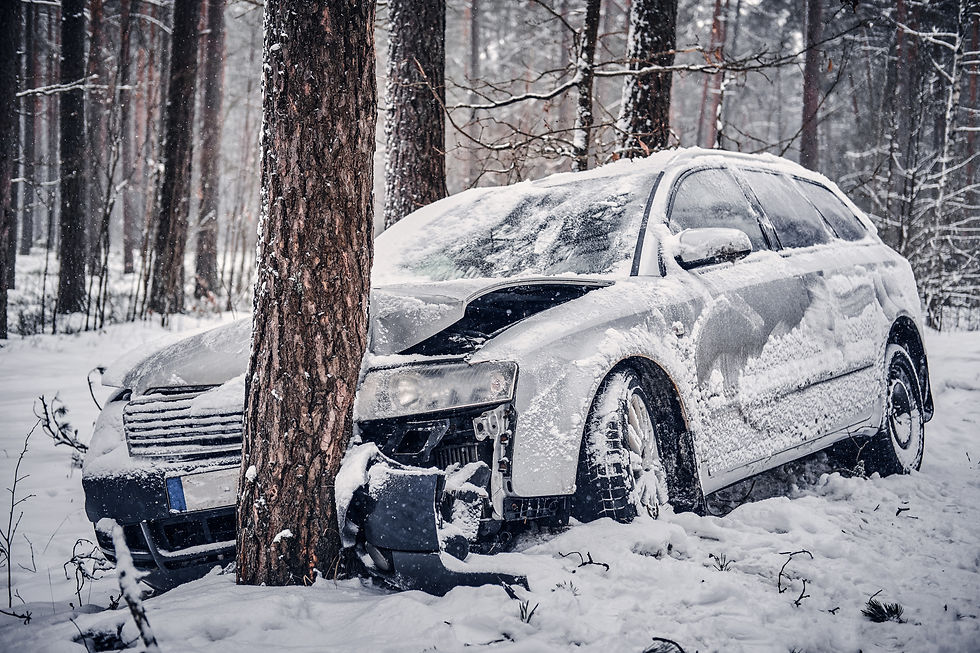
Winter driving in Montreal can feel like a full-contact sport. Snow-covered lanes, black ice, hidden curbs, and sudden stops all increase the risk of collisions—many of them low-speed, but still serious. After a winter crash, most drivers focus on visible damage: a cracked bumper, scratched paint, or a dented fender.
What often goes unnoticed is what matters most: frame misalignment.
Even a minor winter accident can shift your vehicle’s frame just enough to affect safety, handling, and long-term reliability. And because frame damage isn’t always obvious, many drivers continue driving without realizing their vehicle is no longer structurally sound.
This guide breaks everything down in simple terms. You’ll learn what frame misalignment is, how winter crashes cause it, how to spot the warning signs, and why proper auto collision repair is essential after a cold-weather accident.
What Frame Misalignment Is and Why Winter Crashes Cause It
Before you can detect frame misalignment, it helps to understand what it actually is—and why winter accidents are especially good at causing it.
Understanding the Vehicle Frame in Auto Collision Repair
Your vehicle’s frame (or unibody structure, in most modern cars) is the foundation everything else is built on.
It supports:
The engine and transmission
Suspension and steering systems
Doors, roof, and body panels
Safety systems like airbags and crumple zones
In auto collision repair, the frame is critical. If it’s even slightly misaligned, the vehicle may not behave the way it was designed to—especially in another crash.
Why Winter Crashes Are More Likely to Cause Frame Misalignment
Winter accidents often involve sliding rather than direct, straight-on impacts.
Common winter scenarios:
Sliding sideways into another car
Spinning and hitting a curb or snowbank
Glancing blows at odd angles
One wheel striking a hidden obstacle
These angled impacts twist force through the structure instead of absorbing it evenly. That twisting is what leads to frame misalignment—sometimes by just a few millimeters, but enough to matter.
Why Frame Misalignment Is Easy to Miss After a Winter Accident
After a winter crash, damage is often hidden by:
Snow and slush
Ice buildup
Dirty panels
Flexible bumper covers that snap back
Your car may look “mostly fine,” but underneath, the structure could be slightly out of spec. Proper auto collision repair inspections are designed to find exactly this type of hidden damage.

Warning Signs of Frame Misalignment After a Winter Crash
Frame misalignment doesn’t always announce itself loudly. Often, it shows up through subtle changes in how your car feels and behaves.
Driving Symptoms That Suggest You Need Auto Collision Repair
Pay attention to how your vehicle drives after a winter accident.
Common signs include:
The car pulls to one side
The steering wheel is off-center
The vehicle feels unstable on the highway
Uneven tire wear
Difficulty keeping the car straight
While these symptoms can sometimes be related to alignment, they can also indicate deeper structural issues that require professional auto collision repair.
Visual Clues That Point to Frame Misalignment
You don’t need to be a mechanic to notice certain warning signs.
Look for:
Uneven gaps between doors and panels
Doors that don’t close smoothly
A trunk or hood that won’t latch properly
Body panels that appear slightly twisted
In winter crashes, snowbanks and curbs often impact one side of the vehicle, causing subtle distortion that only becomes obvious over time.
Why Ignoring These Signs Can Make Things Worse
Driving with a misaligned frame can lead to:
Accelerated suspension wear
Premature tire failure
Poor crash protection in future accidents
Higher repair costs later
Frame issues don’t fix themselves. The sooner proper auto collision repair addresses them, the better for safety and cost.

How Professionals Detect Frame Misalignment During Auto Collision Repair
Modern auto body shops don’t rely on guesswork. Detecting frame misalignment is a precise process.
The Role of Measuring Systems in Auto Collision Repair
Professional collision repair facilities use computerized measuring systems that compare your vehicle’s structure to factory specifications.
These systems:
Measure alignment down to millimeters
Identify twists, shifts, and bends
Reveal damage invisible to the naked eye
This level of precision is essential, especially after winter crashes where damage is often subtle.
Why Visual Inspections Aren’t Enough
A vehicle can look straight but still be structurally off.
That’s because:
Modern bumpers flex and rebound
Panels can hide underlying distortion
Ice and grime mask cracks or bends
Professional auto collision repair always includes measurements—not just visual checks—before declaring a vehicle structurally sound.
How Frame Straightening Works
If misalignment is detected, frame correction may be required.
This process typically involves:
Anchoring the vehicle to a frame machine
Applying controlled hydraulic force
Gradually restoring factory dimensions
Re-measuring to confirm accuracy
When done correctly, frame straightening restores both safety and performance.

Why Proper Auto Collision Repair Matters After Frame Damage
Frame misalignment isn’t just a mechanical issue—it’s a safety issue.
Safety Systems Depend on a Properly Aligned Frame
Airbags, crumple zones, and seatbelt systems are all engineered around precise structural geometry.
If the frame is misaligned:
Airbags may deploy incorrectly
Impact forces may not be absorbed properly
Occupant protection is reduced
This is why frame damage must always be addressed through professional auto collision repair, not cosmetic fixes.
Insurance, Value, and Long-Term Reliability
Frame damage that isn’t repaired properly can:
Reduce resale value
Complicate insurance claims later
Lead to repeated mechanical issues
A documented, professional auto collision repair ensures your vehicle’s history shows correct structural restoration.
Choosing the Right Auto Collision Repair Shop in Montreal
Not all repair shops are equipped to handle frame damage—especially after winter crashes.
Look for a shop that:
Has frame measuring and straightening equipment
Understands winter-related impact patterns
Works with insurance companies regularly
Communicates clearly throughout the process
A local shop experienced with Montreal winters understands how snow and ice affect collisions.
Conclusion: Frame Misalignment After a Winter Crash Should Never Be Ignored
Winter crashes don’t have to be dramatic to cause serious damage. Even low-speed slides can leave your vehicle’s frame slightly misaligned—enough to affect safety, handling, and long-term reliability.
Knowing the warning signs and understanding how professionals detect and correct frame issues empowers you to make informed decisions. Proper auto collision repair isn’t about making the car look good again—it’s about restoring it to the condition it was designed to protect you in.
If you’ve been in a winter accident and want peace of mind, Park Lane Collision is a trusted auto body shop in Montreal with the tools and experience to properly assess and repair frame damage. Their team understands winter collisions and focuses on restoring safety—not just appearance.
Drive safely, stay informed, and remember: after a winter crash, what you can’t see is often what matters most.