Collision Repair After Snow Accidents: Montreal Tips

Winter in Montreal is beautiful… until it’s not. Snow-covered streets, icy intersections, hidden curbs, and sudden whiteouts can turn an ordinary drive into an unexpected accident in seconds. Even experienced drivers who know winter roads well can find themselves dealing with a fender bender, a scraped bumper, or worse.
If you’ve ever stepped out of your car after a snowy accident and thought, “It didn’t seem that bad”—only to notice damage later—you’re not alone. Winter collisions often cause subtle damage that isn’t immediately visible but still needs proper collision repair to keep your vehicle safe and reliable.
This guide is here to help. We’ll walk you through what to do after a snow-related accident, what kinds of damage are common in Montreal winters, how the collision repair process works, and how to protect your car (and your peace of mind) moving forward.
Why Snow Accidents in Montreal Often Require Collision Repair
Winter accidents in Montreal are different from accidents in other seasons. Snow and ice change how vehicles behave—and how damage occurs.
Why Winter Collisions Cause Hidden Damage That Needs Collision Repair
In snowy conditions, impacts are often lower speed—but that doesn’t mean they’re harmless.
Common winter scenarios include:
Sliding into another car at low speed
Hitting a snowbank that hides a curb or object
Spinning and clipping a guardrail
Backing into something obscured by snow
These incidents may leave only minor visible marks, but underneath, there can be:
Misaligned bumpers
Bent brackets
Damaged sensors
Cracked mounting points
Shifted body panels
Modern vehicles are designed to absorb impact energy, which means even small collisions can affect safety systems. Proper collision repair ensures that everything behind the paint is restored—not just what you can see.
Ice and Slush Change How Impact Forces Travel Through Your Car
On dry pavement, tires grip and absorb some impact. On ice, the vehicle often slides, changing the angle and distribution of force.
This can result in:
Twisted panels instead of direct dents
Stress on suspension components
Damage to wheel alignment
Strain on steering systems
These issues may not be obvious immediately, but they can affect handling long after the accident. A professional collision repair inspection helps catch these problems early.
Why Ignoring Minor Winter Damage Can Cost You More Later
It’s tempting to ignore small damage after a winter accident, especially if the car still drives.
However, untreated damage can lead to:
Accelerated rust due to exposed metal and road salt
Poor panel fit that worsens over time
Sensors malfunctioning later
Reduced resale value
Winter conditions already put stress on your car. Addressing damage promptly with proper collision repair helps avoid bigger, more expensive problems down the road.

What to Do Immediately After a Snow Accident in Montreal
Knowing what to do right after an accident can make the collision repair process much smoother.
Step One: Safety First, Even Before Thinking About Collision Repair
After a winter accident, safety always comes first.
Immediate steps:
Turn on hazard lights
Move to a safe area if possible
Stay visible to other drivers
Check for injuries
Call emergency services if needed
Snowstorms and low visibility make secondary accidents more likely. Once everyone is safe, you can start thinking about next steps.
Document Everything—Snow Can Hide Damage
Snow and slush can cover damage quickly, especially around bumpers and wheel wells.
Helpful documentation includes:
Photos of all visible damage
Wide shots showing the scene
Close-ups of impacted areas
Road conditions and weather
Photos after snow is brushed away
This documentation helps with insurance and ensures collision repair technicians understand how the accident occurred.
Why a Professional Collision Repair Inspection Matters Even If the Car Drives
Many drivers assume that if the car drives, it’s fine. In winter accidents, that’s often not true.
A professional inspection can reveal:
Structural issues
Alignment problems
Sensor damage
Hidden cracks
Compromised safety components
Getting a proper collision repair assessment gives you clarity and peace of mind, even if you decide to delay repairs.

Common Types of Collision Repair After Snow Accidents
Snow-related accidents tend to cause specific patterns of damage that require specialized attention.
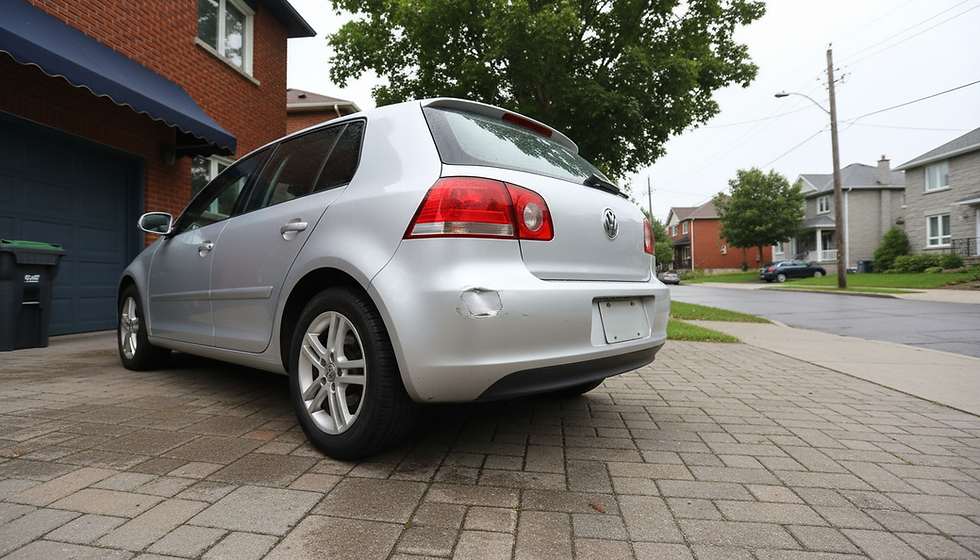
Bumper and Fender Collision Repair After Winter Impacts
Bumpers take the brunt of winter collisions.
Common issues include:
Cracked bumper covers
Broken clips and mounts
Misaligned bumpers
Damaged absorber foam
Scraped or cracked paint
Even when damage looks cosmetic, bumper systems often house sensors and impact-absorbing structures. Proper collision repair restores both appearance and function.
Suspension and Alignment Damage Caused by Hidden Curbs
Snowbanks often hide curbs, parking stops, and debris.
Hitting these can cause:
Bent control arms
Damaged struts
Misaligned wheels
Uneven tire wear
Steering pull
This type of damage isn’t always visible but can affect safety and comfort. Collision repair after winter accidents often includes suspension checks and alignment correction.
Paint, Rust, and Corrosion Concerns Unique to Winter Accidents
Winter damage exposes metal at the worst possible time—when salt and moisture are everywhere.
If paint is cracked or chipped:
Rust can begin within days
Corrosion can spread under paint
Repairs become more complex later
Quality collision repair includes proper surface preparation, sealing, and refinishing to protect your vehicle long-term.

Navigating Collision Repair and Insurance After Snow Accidents
Winter accidents can feel overwhelming, especially when insurance is involved.
How Insurance Typically Handles Collision Repair After Snow Accidents
In most cases, snow-related accidents fall under collision coverage.
Insurance may require:
An estimate
Photos or inspection
Approved repair facilities
It’s important to know that you generally have the right to choose where your collision repair is done, not just where the insurer suggests.
What to Expect During the Collision Repair Process
Understanding the process helps reduce stress.
Typical steps include:
Initial inspection and estimate
Insurance approval
Disassembly to find hidden damage
Structural or mechanical repairs
Bodywork and refinishing
Reassembly and quality checks
Winter repairs may take slightly longer due to parts availability and weather-related delays, but clear communication helps manage expectations.
Choosing the Right Collision Repair Shop in Montreal
Not all repair shops handle winter damage equally.
Look for a shop that:
Has experience with winter collisions
Understands modern vehicle sensors
Uses proper rust prevention techniques
Communicates clearly throughout the process
A trusted local shop that works on Montreal vehicles year-round understands the specific challenges snow accidents create.
Conclusion: Collision Repair After Snow Accidents Doesn’t Have to Be Stressful
Snow accidents are an unfortunate reality of driving in Montreal, but dealing with the aftermath doesn’t have to be overwhelming. Understanding how winter collisions affect your vehicle—and why proper collision repair matters—puts you back in control.
By acting quickly, documenting damage, and choosing experienced professionals, you protect not just your car’s appearance, but its safety, value, and longevity.
If you ever need guidance or repairs after a winter accident, Park Lane Collision is a trusted local auto body shop in Montreal with experience handling snow-related damage. Their team understands winter collisions and can help restore your vehicle properly—so you can get back on the road with confidence.
Stay safe, drive carefully, and remember: when winter happens, the right collision repair makes all the difference.