Is Paintless Dent Repair Worth It for Spring Dings?

Spring in Montreal feels like a fresh start. The snow melts, the streets clear up, and suddenly you’re noticing things that were hidden all winter — including those small dents on your car.
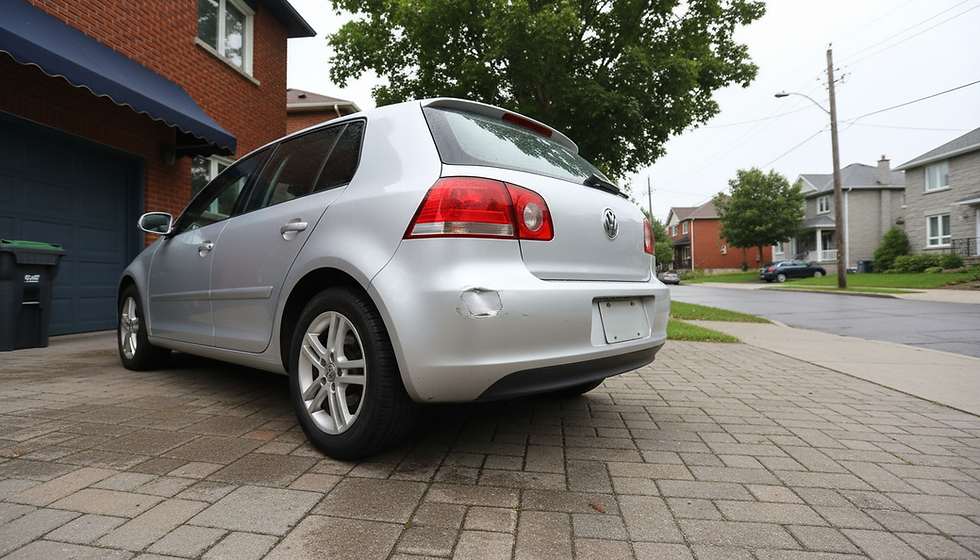
Maybe it was a runaway shopping cart. Maybe a door ding in a tight parking garage. Maybe winter ice chunks had other plans for your fender. Whatever the cause, those little dents can be frustrating.
That’s when many drivers start asking: Is paintless dent repair worth it?
At Park Lane Collision, we hear this question every spring. Paintless dent repair has become a popular option for minor body damage — but it’s not always the right solution for every situation.
In this guide, we’ll break down what paintless dent repair is, when it makes sense, when it doesn’t, how it compares to traditional repairs, and what Montreal drivers should consider before booking an appointment.
Let’s take a closer look at whether paintless dent repair is the right move for your spring dings.
What Is Paintless Dent Repair and How Does It Work?
Before deciding if paintless dent repair is worth it, it helps to understand what it actually involves.
Paintless dent repair (often called PDR) is a specialized technique that removes dents without sanding, filling, or repainting the damaged area. Instead of covering up the dent, technicians gently reshape the metal back to its original form.
How Paintless Dent Repair Reshapes the Metal
Unlike traditional bodywork, paintless dent repair focuses on preserving your vehicle’s original paint.
Technicians use:
Specialized metal rods
Body picks
Precision tools
LED reflection lighting systems
From behind the panel, they carefully massage the dent outward. The lighting helps them see even tiny imperfections in the surface.
The key advantage? There’s no need to repaint, which means:
No color matching
No filler
No clear coat blending
For small spring dings, this can be a game changer.
Why Preserving the Original Paint Matters
Factory paint is incredibly durable. It’s applied in controlled environments with precise curing processes that are difficult to replicate exactly.
When paintless dent repair works properly:
Your original paint remains untouched.
There’s no risk of mismatched color.
The vehicle maintains its factory finish.
Resale value is better protected.
For Montreal drivers who care about long-term vehicle value, that’s a major benefit.
What Types of Dents Qualify for Paintless Dent Repair?
Paintless dent repair works best when:
The paint is not cracked or chipped.
The dent is shallow.
The metal is not sharply creased.
The panel is accessible from behind.
Common spring scenarios where paintless dent repair shines:
Parking lot door dings
Minor hail damage
Small fender dents
Light bumper impressions (on metal panels)
However, deeper damage or paint cracks usually require traditional auto body repair methods.

The Pros of Paintless Dent Repair for Spring Damage
So, is paintless dent repair worth it? In many cases — absolutely.
Let’s look at the advantages.
Faster Turnaround Compared to Traditional Repairs
Traditional dent repair involves:
Sanding
Applying filler
Priming
Painting
Clear coating
Curing
Paintless dent repair skips almost all of that.
Most minor dents can be repaired in:
A few hours
Or within one day
For busy Montreal drivers, that speed is incredibly convenient.
More Affordable for Minor Dings
Because paintless dent repair requires fewer materials and less labor time, it’s often more cost-effective.
You’re not paying for:
Paint products
Color matching
Extensive refinishing labor
For minor spring dings, it can be significantly cheaper than traditional bodywork.
That said, pricing still depends on:
Dent size
Location
Accessibility
Metal thickness
Eco-Friendly and Less Invasive
Traditional repairs involve paints, solvents, fillers, and chemicals.
Paintless dent repair:
Uses fewer materials
Produces less waste
Avoids repainting chemicals
Keeps your factory finish intact
It’s a cleaner, less invasive solution when conditions allow.
For environmentally conscious drivers, that’s another win.
When Paintless Dent Repair May Not Be the Best Option
While paintless dent repair is impressive, it’s not a miracle cure for all body damage.
Let’s talk about limitations.
Cracked or Chipped Paint Changes Everything
If the dent has caused:
Paint cracking
Clear coat peeling
Surface chips
Then paintless dent repair alone isn’t enough.
The metal may be reshaped, but the exposed paint damage still needs refinishing.
In those cases, a full auto body repair is usually necessary to prevent rust and restore appearance.
Sharp Creases and Structural Damage
Paintless dent repair works best on smooth, shallow dents.
It struggles with:
Sharp creases
Panel edges
Impact areas near structural reinforcements
If the metal has stretched too far, reshaping it perfectly becomes much more difficult.
In Montreal’s winter conditions, dents caused by ice or minor collisions sometimes involve more force than expected.
Accessibility Matters
To perform paintless dent repair, technicians need access to the backside of the panel.
If the dent is located:
Behind bracing
Near double-layered metal
Inside tight corners
It may not qualify for PDR.
An experienced auto body shop will inspect your vehicle and explain your options clearly.

Comparing Paintless Dent Repair vs Traditional Auto Body Repair
Choosing between paintless dent repair and traditional repair often comes down to three factors: damage severity, budget, and long-term goals.
Cost Comparison for Spring Dings
For small dents:
Paintless dent repair is usually less expensive.
Traditional repair costs more due to materials and paint work.
However, if repainting is required anyway, traditional repair may be the smarter long-term choice.
Time Without Your Vehicle
Paintless dent repair:
Same-day or next-day service for many minor dents.
Traditional repair:
Several days to a week or more, depending on complexity.
If you rely heavily on your vehicle, this difference can matter.
Long-Term Appearance and Resale Value
When successful, paintless dent repair:
Leaves no trace.
Preserves original paint.
Maintains factory finish.
But forcing PDR on a dent that truly requires refinishing can result in:
Slight imperfections
Visible distortion in certain lighting
That’s why professional evaluation is essential.
Conclusion: Is Paintless Dent Repair Worth It for Spring Dings?
In many cases, yes — paintless dent repair is absolutely worth it for minor spring dings.
It’s:
Faster
More affordable
Less invasive
Better for preserving factory paint
But it’s not a one-size-fits-all solution. The condition of the paint, the severity of the dent, and the location all matter.
If you’ve noticed new dents after winter, the best next step is a professional assessment. Park Lane Collision, a trusted auto body shop in Montreal, can evaluate whether paintless dent repair is the right option for your vehicle and provide honest guidance based on your specific situation.
Spring is about fresh starts — your car can look refreshed too.
And sometimes, all it takes is the right repair method.