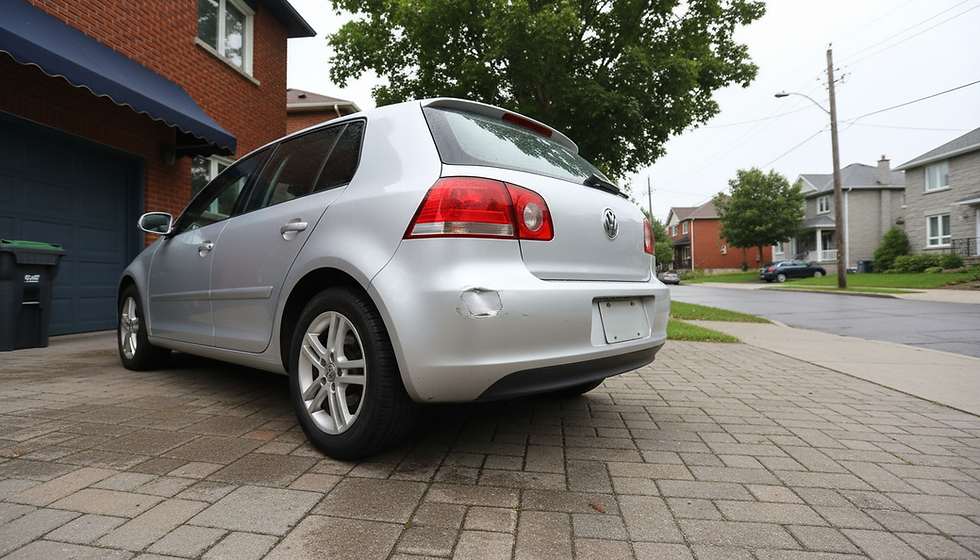
Post-Collision Wheel Alignment Issues: Warning Signs

A car accident—no matter how minor—can shake up more than just your nerves. Even a seemingly small fender bender can mess with your vehicle’s alignment. But how can you tell? Misalignment isn’t always obvious at first, but left unchecked, it can wear out your tires, affect your steering, and cost you big time down the road.
In this guide, we’ll help you identify post-collision alignment problems early on so you can stay safe and avoid long-term damage. Whether you’ve been in a parking lot bump or a more serious crash, these are the warning signs every driver should know.
Understanding Alignment and Why It Matters
Let’s start with the basics—what wheel alignment really means, and why it’s such a big deal after a post-collision incident.
What is Wheel Alignment? Wheel alignment refers to how your wheels are angled in relation to each other and the road. A proper alignment ensures your vehicle drives straight, handles well, and doesn’t wear out tires unevenly.
How Collisions Affect Alignment
Even minor collisions can nudge suspension components out of place.
Bumps to the curb or hitting a pothole after a crash can throw off alignment.
Frame damage from a post-collision accident can exaggerate alignment issues.
The Risks of Ignoring Misalignment
Uneven tire wear leading to early replacement
Poor handling and reduced safety on the road
Lower fuel efficiency due to increased rolling resistance

Warning Signs of Post-Collision Misalignment
You don’t need to be a mechanic to spot alignment issues. Just stay alert to these post-collision symptoms.
Your Vehicle Pulls to One Side If your car drifts left or right while you’re trying to drive straight, it’s likely out of alignment. This can be dangerous in tight traffic or high speeds.
Steering Wheel is Off-Center Your steering wheel should sit level when the wheels are pointed forward. If it’s tilted or needs correction just to drive straight, that’s a red flag.
Uneven or Rapid Tire Wear Check your tires—especially the inside and outside edges. Misalignment often causes one side of the tire to wear out faster than the other.

How Alignment is Checked and Corrected
Now that you know the symptoms, here’s what happens during a wheel alignment service.
Inspection and Diagnosis
Technicians use alignment racks and laser measurement tools
Suspension and steering components are visually inspected
Measurements compare your vehicle’s current alignment to factory specs
Types of Adjustments Made
Camber: tilt of the wheel inward or outward
Toe: the direction the tires point in relation to each other
Caster: angle of the steering pivot that affects stability
Time and Cost Involved
Most alignments take about 1-2 hours
Costs vary based on vehicle type and severity of misalignment
Post-collision alignments may require additional parts or labor if components are bent or damaged

When and Where to Get a Post-Collision Alignment Check
Timing and location matter. Here’s how to make sure your alignment gets the attention it needs.
When to Get Checked
Immediately after any noticeable impact
After replacing suspension or steering parts
If you notice any of the warning signs above
Choosing the Right Shop
Look for auto body shops that specialize in post-collision services
Ask about computerized alignment equipment and certified technicians
A good shop will provide before-and-after reports for transparency
Why Park Lane Collision is a Top Choice
Experienced in identifying post-collision alignment issues
Modern equipment ensures precision
Trusted in the Montreal area for honest, high-quality service
Conclusion: Stay Aligned, Stay Safe
Wheel alignment might not be the first thing you think about after a collision—but it’s one of the most important. Catching and correcting post-collision alignment problems early can save your tires, your safety, and your wallet.
At Park Lane Collision, we specialize in full post-collision inspections, including wheel alignment checks. If something feels off after an accident, bring your vehicle in—we’ll make sure it’s ready to drive straight and true again.
Drive safe, stay alert, and remember: when your car takes a hit, alignment should always be on your checklist.