What Happens During a Professional Collision Repair Inspection?

Being involved in a car accident is stressful enough without having to wonder what happens next.
Whether it's a minor fender bender in a parking lot or a more significant collision on a busy Montreal road, one of the first and most important steps in the recovery process is a professional collision repair inspection.
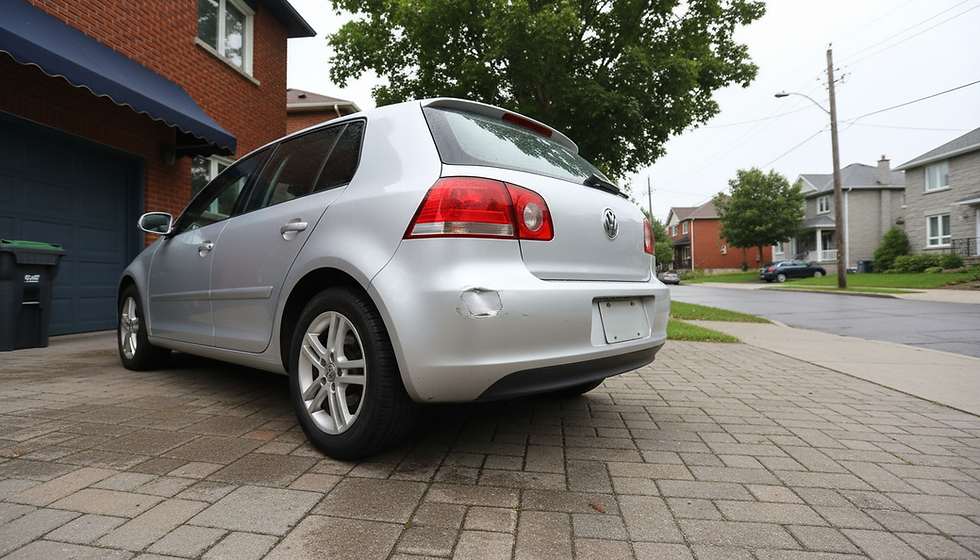
Many vehicle owners assume that if the damage looks minor, the repair process will be straightforward. However, what appears to be a small dent or scratched bumper can sometimes hide structural damage, alignment issues, or safety concerns that aren't visible to the naked eye.
That's why a professional collision repair inspection is so important. It allows trained technicians to thoroughly evaluate your vehicle, identify both visible and hidden damage, and develop a repair plan that restores your vehicle to manufacturer standards.
In this guide, we'll walk through exactly what happens during a professional collision repair inspection, why each step matters, and how the process helps ensure your vehicle remains safe, reliable, and visually appealing after an accident.
The Initial Collision Repair Assessment
The inspection process begins long before any tools are picked up or repairs are started.
Understanding the Accident and Vehicle History
A collision repair technician typically starts by gathering information about the incident.
Questions may include:
Where was the vehicle impacted?
How fast were the vehicles moving?
Were airbags deployed?
Was the vehicle driven after the accident?
Have previous repairs been performed in the same area?
These details help technicians understand the potential extent of the damage.
Even if two vehicles have similar dents, the forces involved during each accident may be very different.
A complete history allows the inspection team to focus on areas that may have sustained hidden damage.
Performing a Visual Collision Repair Inspection
The next step involves a detailed visual examination of the vehicle.
Technicians inspect:
Body panels
Bumpers
Doors
Fenders
Hood
Trunk
Glass components
They look for:
Dents
Scratches
Cracks
Misaligned panels
Paint damage
This initial review helps create a preliminary estimate and identifies areas that require further investigation.
Many customers are surprised to learn that visible damage often represents only a portion of the actual repairs needed.
Documenting Vehicle Condition
Professional collision repair facilities carefully document the vehicle's condition before work begins.
This process often includes:
Digital photographs
Written notes
Damage mapping
Insurance documentation
Detailed documentation provides:
Accurate repair planning
Insurance claim support
Clear communication with customers
It also creates a record of the vehicle's condition throughout the repair process.

Identifying Hidden Damage During Collision Repair Inspections
Not all collision damage can be seen immediately.
In many cases, the most important discoveries occur after the initial inspection.
Removing Damaged Components
To properly assess damage, technicians may need to remove:
Bumpers
Trim pieces
Grilles
Interior panels
Splash shields
These components often hide critical structural areas.
For example, a bumper may appear lightly scratched while the impact absorber behind it has sustained significant damage.
Without disassembly, these issues could easily go unnoticed.
Checking Structural Integrity
One of the most important aspects of any collision repair inspection involves evaluating the vehicle's structure.
Technicians inspect:
Frame rails
Unibody sections
Crumple zones
Reinforcement panels
Even minor impacts can transfer force into structural components.
If left uncorrected, structural damage may affect:
Vehicle safety
Handling
Crash protection
Future repairability
Modern measuring systems allow technicians to identify even small deviations from factory specifications.
Inspecting Suspension and Steering Components
Collision forces frequently affect more than just body panels.
Inspection may include:
Control arms
Tie rods
Ball joints
Steering racks
Wheel alignment angles
Symptoms of hidden suspension damage include:
Uneven tire wear
Pulling while driving
Steering vibration
Reduced handling performance
These issues are not always obvious immediately after an accident.
A professional inspection ensures they are identified before becoming larger problems.
Advanced Diagnostic Procedures in Collision Repair
Today's vehicles are more technologically advanced than ever before.
As a result, collision repair inspections often involve sophisticated diagnostic equipment.
Electronic System Scanning
Modern vehicles contain numerous electronic systems.
A collision repair inspection may include scanning modules related to:
Airbags
Advanced driver assistance systems (ADAS)
Parking sensors
Cameras
Lane departure systems
Blind spot monitoring
Even seemingly minor accidents can trigger fault codes.
Electronic scanning helps identify hidden issues that would otherwise remain undetected.
Airbag and Safety System Evaluation
Vehicle safety systems require special attention after an accident.
Technicians inspect:
Airbag modules
Crash sensors
Seat belt pretensioners
Occupant detection systems
Even if airbags do not deploy, related components may still require inspection or replacement.
Maintaining proper safety system performance is essential for protecting occupants during future collisions.
Collision Repair Measurements and Alignment Analysis
Professional collision repair facilities often use computerized measuring systems.
These systems compare your vehicle's dimensions to factory specifications.
Measurements may include:
Frame dimensions
Wheel positioning
Structural alignment
Suspension geometry
Even small variations can indicate hidden collision damage.
Accurate measurements help ensure repairs restore the vehicle to its original condition.

Creating the Collision Repair Plan
Once all damage has been identified, technicians develop a detailed repair strategy.
Preparing a Comprehensive Repair Estimate
A collision repair estimate includes:
Parts required
Labor operations
Paint materials
Mechanical repairs
Structural corrections
A thorough estimate helps avoid unexpected surprises later in the repair process.
Customers gain a clear understanding of what needs to be repaired and why.
Coordinating with Insurance Companies
For insured repairs, collision repair facilities often work directly with insurance providers.
This process may involve:
Submitting estimates
Providing documentation
Discussing repair procedures
Obtaining approvals
Professional communication helps streamline the claims process and reduce delays.
Establishing Repair Priorities
Not all damage carries the same importance.
Repair plans generally prioritize:
Structural integrity
Safety systems
Mechanical functionality
Cosmetic restoration
This approach ensures the vehicle remains safe and reliable before appearance-related repairs are completed.
Why Professional Collision Repair Inspections Matter
Skipping a thorough inspection can lead to serious long-term consequences.
Hidden Damage Often Goes Unnoticed
Many vehicle owners focus only on visible damage.
Unfortunately, hidden issues can involve:
Structural distortion
Suspension damage
Safety system faults
Alignment problems
These conditions may worsen over time if not addressed.
A professional inspection helps uncover problems early.
Proper Repairs Protect Vehicle Value
Vehicles repaired according to manufacturer standards generally maintain better value.
Professional collision repair inspections help ensure:
Accurate repairs
Proper documentation
High-quality workmanship
Future buyers often appreciate evidence that repairs were performed correctly.
Safety Depends on Accurate Damage Assessment
Perhaps most importantly, collision repair inspections protect occupants.
Modern vehicles are engineered with carefully designed safety systems.
Even small structural deviations can affect:
Crash performance
Airbag deployment
Vehicle handling
Passenger protection
Comprehensive inspections help restore the vehicle's original safety capabilities.
Conclusion
A professional collision repair inspection involves much more than looking at dents and scratches. It is a detailed process designed to uncover visible damage, identify hidden structural concerns, evaluate safety systems, and create an accurate repair plan.
From visual assessments and structural measurements to advanced electronic diagnostics, every step plays an important role in restoring your vehicle after an accident. While some damage may seem minor at first glance, professional inspections often reveal issues that could affect safety, performance, and long-term reliability if left untreated.
Understanding what happens during a collision repair inspection helps vehicle owners make informed decisions and feel more confident throughout the repair process.
For Montreal drivers who have recently experienced an accident, Park Lane Collision provides professional collision repair inspections and expert guidance to help ensure vehicles are restored safely, accurately, and according to industry standards.