
Best Winter Scratch Repair Services in Montreal
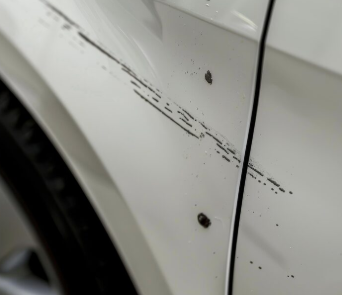
Winter in Montreal has a way of sneaking up on your car. One day it looks fine, and the next you notice fresh scratches along the doors, bumper, or fenders. Snowbanks appear overnight, ice hardens on every surface, and narrow winter parking spaces don’t forgive small mistakes. Even careful drivers often end the season with a few new marks.
Scratches might seem like a cosmetic issue at first, but in winter, they can quickly become something more serious. Salt, moisture, and freeze-thaw cycles turn minor surface damage into rust, paint peeling, and deeper body issues. That’s why scratch repair is especially important during Montreal’s colder months.
This guide explains why winter causes so many scratches, the different types of scratch damage, what repair options are available, and how to choose the best winter scratch repair services in Montreal—so your car stays protected, looks good, and holds its value.
Why Winter Is the Worst Season for Car Scratches
Winter doesn’t just increase the number of scratches—it increases the damage they can cause.
How Snow, Ice, and Salt Lead to Scratch Damage
Winter driving conditions create the perfect environment for scratches.
Common winter causes include:
Snowbanks hiding curbs and obstacles
Ice chunks falling from other vehicles
Frozen debris kicked up on highways
Snowplows narrowing lanes and parking areas
Even light contact with packed snow or ice can leave visible marks on paint and clear coat. Over time, these marks become entry points for moisture and salt.
Why Winter Scratches Are More Dangerous Than Summer Scratches
A scratch in July might stay harmless for months. A scratch in January doesn’t get that luxury.
Winter scratches are risky because:
Salt accelerates corrosion
Moisture seeps under damaged paint
Freezing expands cracks in the clear coat
Rust can start within weeks
This is why winter scratch repair is about protection as much as appearance.
Low-Speed Winter Contacts That Still Cause Damage
Many winter scratches don’t come from accidents. They come from everyday moments:
Brushing against a snowbank while parking
Sliding slightly at a stop sign
Contact with frozen slush at intersections
Because these incidents feel minor, drivers often ignore the damage—until rust appears.

Types of Scratches and What They Mean for Your Car
Not all scratches are equal. Understanding the type of damage helps determine the right repair.
Clear Coat Scratches: The Most Common Winter Damage
Clear coat scratches affect only the top protective layer of paint.
They often appear as:
Light swirl marks
Thin white lines
Scratches that disappear when wet
These scratches are usually caused by ice scraping, snow brushes, or frozen dirt. Professional scratch repair can often correct them quickly without repainting.
Paint-Level Scratches That Expose Color
When a scratch goes through the clear coat and into the paint layer, it becomes more serious.
Signs include:
Visible color loss
Dark or uneven scratch lines
Rough texture when touched
In winter, these scratches must be repaired promptly to prevent rust.
Deep Scratches That Reach Bare Metal
The most serious scratches expose metal underneath the paint.
These scratches:
Rust quickly in winter conditions
Spread under surrounding paint
Weaken the body panel over time
Deep scratches almost always require professional scratch repair, including sanding, priming, and repainting.
Winter Scratch Repair Options in Montreal
Winter repair requires different techniques than summer work.
Why DIY Scratch Repair Is Risky in Cold Weather
DIY scratch kits are tempting, but winter conditions make them unreliable.
Problems include:
Paint not curing properly in cold temperatures
Moisture trapped under repair layers
Color mismatch due to temperature changes
Poor DIY repairs often fail by spring, leaving rust underneath.
Professional Scratch Repair Methods Used in Winter
Professional shops adapt their methods for cold weather.
Winter scratch repair may involve:
Climate-controlled paint booths
Accelerated curing processes
Specialized winter-safe coatings
This ensures repairs last, even through harsh conditions.
Spot Repair vs Full Panel Repair
Not every scratch requires repainting an entire panel.
Professionals assess:
Scratch depth
Location on the panel
Existing paint condition
Spot repairs are often possible and cost-effective when damage is addressed early.

Choosing the Best Winter Scratch Repair Service in Montreal
Not all repair shops are equipped for winter work.
What to Look for in a Winter Scratch Repair Shop
The best winter repair services offer:
Heated, controlled work environments
Experience with winter-related damage
Honest assessments, not upselling
Winter scratch repair requires precision and proper conditions.
Why Timing Matters More Than Price in Winter
Delaying repairs to save money often backfires.
Waiting can lead to:
Rust formation
Larger repaint areas
Higher repair costs
Early repair almost always saves money in the long run.
How Winter Scratch Repair Protects Vehicle Value
Visible scratches reduce resale value, especially in spring.
Proper repair:
Prevents rust spread
Restores appearance
Signals good vehicle care
This is especially important if you plan to sell or trade your car after winter.
Conclusion: Winter Scratches Are Common—But They Don’t Have to Last
Scratches are almost unavoidable during a Montreal winter. Snowbanks, ice, and salt create constant challenges, even for careful drivers. But ignoring winter scratches can turn small cosmetic issues into long-term damage.
Understanding the type of scratch, acting quickly, and choosing professional scratch repair services can protect your car’s body, extend its lifespan, and keep it looking its best year-round.
If winter has left its mark on your vehicle and you want reliable advice without pressure, Park Lane Collision is a trusted local resource in Montreal. Their experience with winter-related body damage allows them to assess scratches accurately and recommend the right repair approach—so small issues don’t become big problems.
Winter may be tough on cars, but with the right care, its effects don’t have to be permanent.


