Montreal Drivers Guide to Protecting Your Vehicle Before Winter Arrives
Montreal winter is hard on vehicles long before the first major snowstorm. Cold rain, early frost, road salt, packed slush, gravel, potholes, and tight street parking all work against your paint, panels, glass, and trim.
The best time to protect a vehicle is before winter settles in. Small chips, scratches, weak seals, and hidden rust can turn into bigger problems once salt and moisture get involved. A little preparation in autumn can help your vehicle stay safer, cleaner, and easier to repair if damage happens later.

Check the body before cold weather locks problems in
Start with a slow walkaround in daylight. Look at the vehicle from a few angles instead of only standing close to it. Dents, uneven panel gaps, peeling clear coat, and bubbling paint are easier to spot when light reflects across the surface.
Pay close attention to:
Lower doors and rocker panels
Wheel arches
The bottom edge of the tailgate or trunk
Hood edges
Bumpers and parking impact zones
Around windshield and rear glass seals
These areas take the most abuse from gravel, salt spray, and slush. If the paint is chipped down to bare metal, winter can make the damage spread faster. Once moisture gets behind paint, rust has a place to start.
A trusted Auto Body Shop can inspect chips, dents, and surface rust before winter makes the repair more complicated. Not every mark needs major work, but it helps to know which ones should not wait.
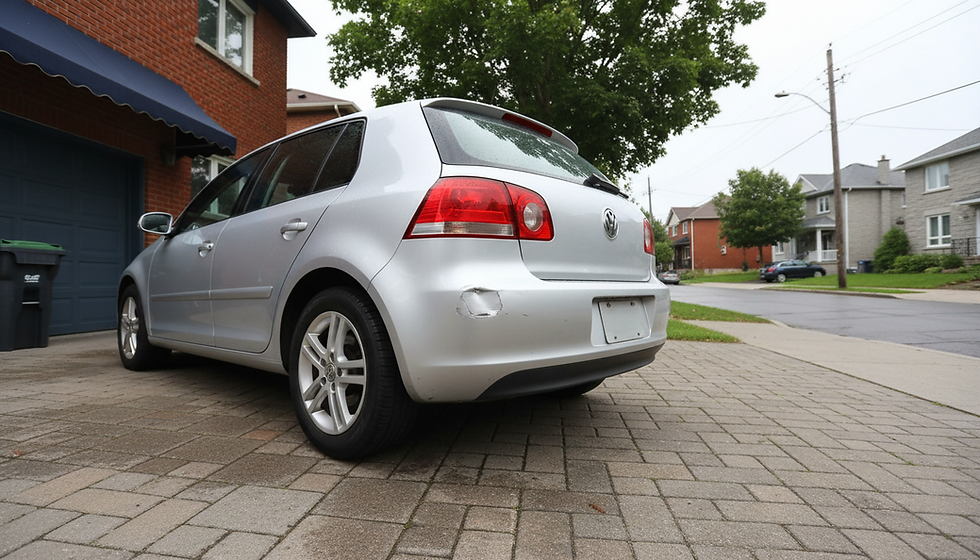
Small parking lot dents also matter. Montreal streets and tight underground garages leave plenty of chances for light impacts. A dent that cracks paint is more than cosmetic. It can expose the metal underneath, even if the damage looks minor from a distance.
Protect paint, glass, and trim from salt
Road salt helps make streets safer, but it is rough on vehicles. It clings to wheel wells, lower doors, floor edges, and bumpers. When temperatures move above and below freezing, salty moisture seeps into seams and scratches.
A thorough wash before winter gives you a clean starting point. Focus on the underbody spray, wheel wells, door jambs, and fuel door area. Dirt can hide paint damage, so washing also makes inspection easier.
After washing, apply wax or paint sealant if the finish is in decent condition. This will not make the vehicle immune to winter, but it adds a useful barrier against grime and salt. Treat it as protection, not a cure.
Also clean the glass carefully. A dirty windshield increases glare during low winter sun and makes wipers work harder. Replace worn wiper blades before freezing weather hits. If blades chatter, streak, or miss sections of the windshield, they are already past their best.
Do not forget rubber trim and door seals. Clean them and use a rubber-safe conditioner to help reduce sticking when temperatures drop. Frozen doors are more than annoying. Pulling hard on a stuck door can damage seals or handles.

Prepare for potholes, ice, and street parking
Winter damage is not only about rust. Potholes and hidden ice can affect bumpers, splash shields, wheel liners, and underbody panels. These parts help protect the vehicle, but they are often the first to take a hit.
Before winter, check that plastic shields under the front bumper are secure. If a splash guard hangs loose in November, packed snow can rip it farther off in January. The same goes for loose bumper corners, cracked fog light surrounds, and missing fasteners in wheel wells.
Street parking adds another layer of risk. Snowbanks narrow lanes, plows move close to parked cars, and drivers often judge distance through fogged or dirty windows. Scraped bumper corners and side mirror damage are common winter headaches.
A few habits can reduce the risk:
Fold mirrors in when parking on narrow streets
Avoid parking too close to corners after heavy snow
Leave extra room from snowbanks when possible
Clear snow fully from lights, mirrors, roof, and licence plate
Take photos if you notice new damage after a plow or parking incident
Those photos can help show when damage happened. Take clear shots from several angles, including one wider photo that shows the vehicle’s position.
Keep a small winter kit in the vehicle too. Include a snow brush, scraper, gloves, washer fluid rated for winter, a small shovel, and a microfibre cloth. Clearing snow carefully helps prevent scratches. Avoid using hard plastic edges on painted panels.

Deal with chips and rust before they spread
Paint chips are easy to ignore in the fall. By spring, they can look much worse. The mix of salt, moisture, and freeze-thaw cycles pushes damage outward. What starts as a pin-sized chip can become bubbling paint around an edge or seam.
If you see rust, do not cover it with random touch-up paint without cleaning and prep. Paint over rust may look better for a short time, but it can trap moisture underneath. The right repair depends on depth, location, and whether the metal has started to weaken.
Surface rust near a stone chip is different from rust on a structural edge or seam. Rust around wheel arches and rocker panels deserves extra attention because these areas face constant spray from the road.
Clear coat damage also needs care. If the top layer is peeling, winter can expand the problem. Water gets under the peeling edge, freezes, and lifts more coating. Early repair can help keep the affected area smaller.
After any body repair or refinishing, ask how long to wait before waxing or applying sealant. Fresh paint needs proper curing time. The answer can vary based on materials and conditions, so follow the repairer’s advice.
Make one final pre-winter checklist
A simple checklist helps catch problems before the first big storm. It does not need to be complicated.
Before winter arrives, make sure you have:
Washed the vehicle thoroughly, including wheel wells and lower panels
Checked for chips, scratches, dents, bubbling paint, and loose trim
Protected clean paint with wax or sealant where appropriate
Cleaned and treated door seals
Replaced weak wiper blades
Filled winter-rated washer fluid
Checked that lights, mirrors, and licence plates are clear and secure
Looked under the front bumper for loose splash shields
Booked repairs for exposed metal or spreading rust
This is also a good time to look at winter tires, battery strength, brakes, and fluids. Those are mechanical checks, but they work hand in hand with body protection. A vehicle that handles well is less likely to slide into curbs, snowbanks, or other cars.

Montreal winter will always be tough on vehicles, but it does not have to catch yours unprepared. Inspect the body, fix exposed damage early, protect the paint, and keep salt from sitting too long on vulnerable areas.
The best winter repair is the one you prevent before the snow starts piling up.