Why You Shouldn’t Delay Bumper Repair in Winter
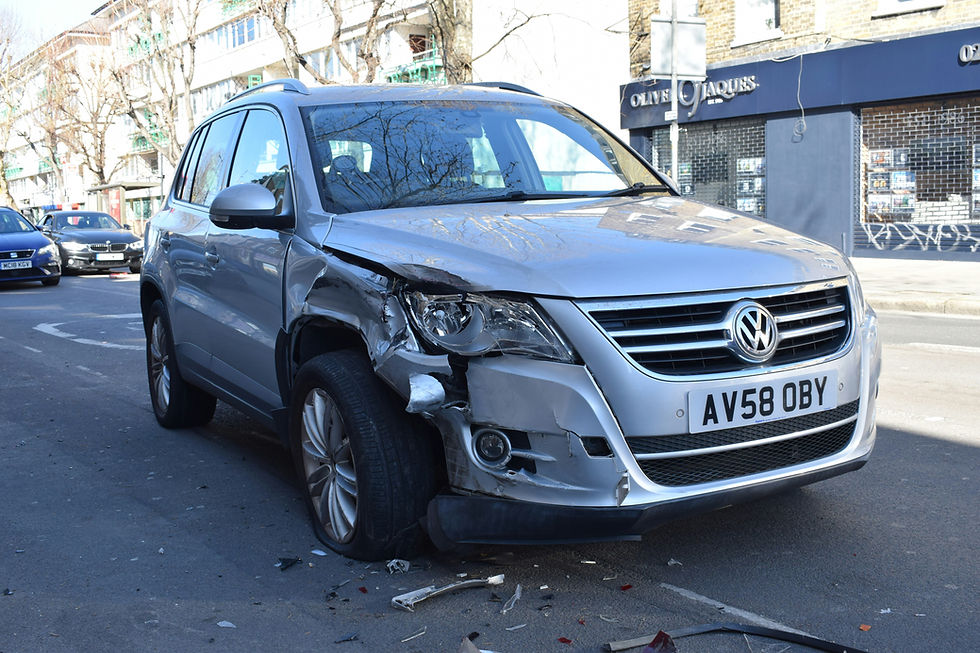
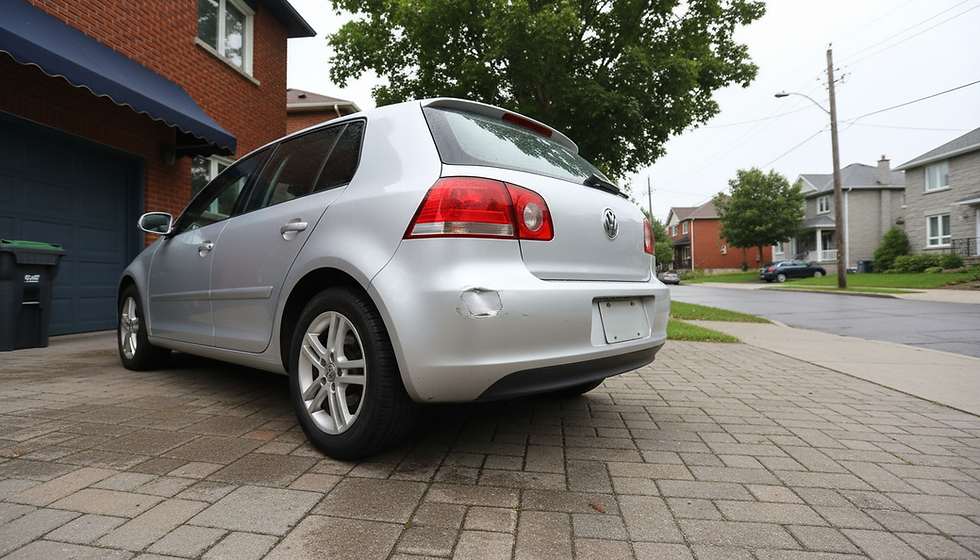
Winter in Montreal is full of surprises. Some are magical—fresh snowflakes, warm drinks, sparkling lights—and others… well, not so magical. Like that unexpected “thump” you hear while parking in a snowbank, or that low-speed bump in an icy parking lot, or that hidden chunk of frozen slush that takes half your bumper paint with it.
Winter driving conditions make bumper damage extremely common. Yet many drivers choose to delay bumper repair until spring, hoping the issue will “hold up” until the weather gets better or life gets less busy.
But here’s the truth: delaying bumper repair during winter can cause far more serious problems than you think. From safety issues to hidden structural damage to skyrocketing repair bills, ignoring winter bumper damage is one of the costliest mistakes a driver can make.
In this in-depth guide, we’ll explain exactly why addressing bumper issues promptly is essential—and how taking action now can save your car, your wallet, and even your peace of mind.
Let’s dive in.
Winter Makes Bumper Damage Worse (and More Common)
Winter is hard on every part of your vehicle, but your bumper takes the biggest hit. From freezing temperatures to icy roads and hidden hazards, Montreal’s winter environment amplifies even the smallest bumper problem.
The Cold Turns Small Cracks Into Bigger Damage — Why Winter Isn’t Kind to Plastic
Most modern vehicles have plastic bumpers. The challenge? Plastic becomes stiff and brittle in the cold.
That means:
A tiny crack can quickly spread
A small dent can warp into a deeper crease
Frozen moisture inside the bumper can cause expanding cracks
Road vibrations worsen existing damage
Think of winter as a magnifying glass—whatever problem your bumper has in December will likely be much worse by March.
Snowbanks, Ice Chunks, and Parking Lots: Winter’s Hidden Bumper Killers
Winter roads create obstacles that put your bumper at risk even at low speeds.
Common winter hazards include:
Snowbanks hiding concrete blocks
Packed ice that feels soft but hits hard
Low-speed slips in icy parking lots
Hidden curbs covered in snow
Debris buried under slush
All it takes is a gentle touch to create a dent, crack, misalignment, or broken clips. And once that damage starts, winter weather works overtime to make it worse.
When Salt Meets Damage: The Corrosion Chain Reaction
Salt doesn’t just harm metal—when a bumper is cracked or misaligned, salt and slush can infiltrate the exposed areas.
This leads to:
Corrosion spreading to mounting brackets
Damage to sensors behind the bumper
Sensor wiring deterioration
Paint peeling or bubbling
Moisture trapped inside the bumper
Left untreated, salt exposure can turn a simple bumper repair into a full bumper replacement, plus internal part replacements.

The Hidden Safety Risks of Delaying Bumper Repair
Your bumper isn’t just cosmetic. It’s a core safety feature. It protects your car’s structure, absorbs impact energy, and houses many of today’s essential technology systems. Delaying bumper repair puts all that at risk.
Bumper Repair and Your Safety Systems: Sensors, Cameras, and Radar
Modern cars rely heavily on technology integrated right into the bumper or its underlying components.
Delaying bumper repair can affect:
Parking sensors
Collision avoidance sensors
Blind-spot monitoring
Lane assist cameras
Adaptive cruise control radar
Even a minor bump can misalign or disable these systems. You may not notice—they often fail quietly. But safety and accuracy drop significantly.
Weakened Impact Protection: Why Even Small Damage Matters
Even minor bumper flaws reduce its ability to absorb energy during a future impact.
The results:
Increased damage to internal parts
Higher risk of injuries in a stronger collision
Damage spreading to fenders, headlights, or the hood
Frame damage if energy isn’t absorbed properly
Your bumper is your vehicle’s “shock absorber.” Once compromised, it can no longer protect as it should.
Loose Bumper? It Might Fall Off (Yes, Even at Low Speeds)
A bumper relies on clips, brackets, fasteners, and anchors that are easily damaged in winter collisions.
Driving with a loose bumper risks:
Bumper detaching during winter storms
Falling off while driving over ice, potholes, or slush
Damage to wheel wells
Damage to undercarriage
Risk to pedestrians or other vehicles
This is one reason professionals often recommend immediate bumper repair—a loose bumper is far more than a cosmetic issue.

Delaying Repairs Makes the Damage More Expensive
Waiting until spring might feel convenient, but it almost always guarantees a higher repair bill. Here’s why winter is the worst time to ignore a damaged bumper.
From Minor to Major: Damage Spreads Faster in Winter
Moisture, ice, and freezing temperatures accelerate the deterioration of damaged bumpers.
A small crack can quickly turn into:
A full split
Broken mounting points
Exposed sensors
Paint peeling
Permanent distortion
By spring, what would’ve been a minor fix might require a full replacement.
Salt + Moisture + Time = Corrosion Everywhere
The bumper is connected to internal metal parts that corrode fast once exposed.
Prolonged winter exposure leads to:
Rusted reinforcement bars
Corroded rivets and fasteners
Sensor mounts rotting
Wiring being compromised
Parts no longer fitting correctly
Corrosion-related repairs often cost far more than early cosmetic repair.
Insurance Complications: Claims Become Harder to Approve with Delays
If you wait months before addressing damage, insurance companies may assume:
The damage was worsened by neglect
The car was left exposed to salt or weather
Additional spreading damage isn’t part of the original incident
This can lead to:
Partial coverage
Denied claims
Higher out-of-pocket costs
A quick winter bumper repair protects both your vehicle—and your insurance claim.

Why Winter Is the Best Time to Get Bumper Repair (Not Spring)
Most drivers assume spring is the ideal time for bodywork. In reality, winter repairs offer major advantages.
Auto Body Shops Are Less Busy in Early and Mid-Winter
Contrary to popular belief, not all winter months are busy.
January and February often mean:
Faster appointment availability
Quicker repairs
More time for technicians to inspect internal damage
Less waiting for parts
Doing your bumper repair during the winter helps you avoid the spring body shop rush.
Fixing Damage Early Prevents Long-Term Winter Deterioration
Every day you drive in winter with bumper damage increases the impact of:
Salt
Ice
Snow
Moisture
Cold temperatures
Repairing early means you’re no longer exposing weakened parts to harsh conditions.
Your Car Looks Better All Winter — and You Avoid the “Winter Beater” Look
A cracked or loose bumper makes your car look neglected—especially during the winter season when salt lines and snow streaks exaggerate imperfections.
Repairing your bumper now:
Keeps your vehicle looking cared-for
Maintains resale value
Prevents deeper damage to paint
Helps your car age more gracefully
And honestly—it just feels better driving a car that’s in good shape.
Conclusion: Don’t Wait—Fix Winter Bumper Damage Before It Gets Worse
Winter is tough on cars, but delaying bumper repair only makes the problems tougher and more expensive. Small cracks become big ones. Salt eats away at internal parts. Sensors fail quietly. And before you know it, a simple repair turns into a full replacement.
Fixing bumper damage early:
Keeps your car safe
Prevents costly corrosion
Protects your sensors and technology
Avoids insurance complications
Makes your car look better all winter
If you’re already dealing with bumper damage—or want a professional inspection for peace of mind—Park Lane Collision, a trusted auto body shop in Montreal, is here to help. Their experienced team can assess, repair, and protect your bumper quickly and professionally.
Stay safe, stay proactive, and take care of your vehicle before little winter problems turn into big spring headaches.