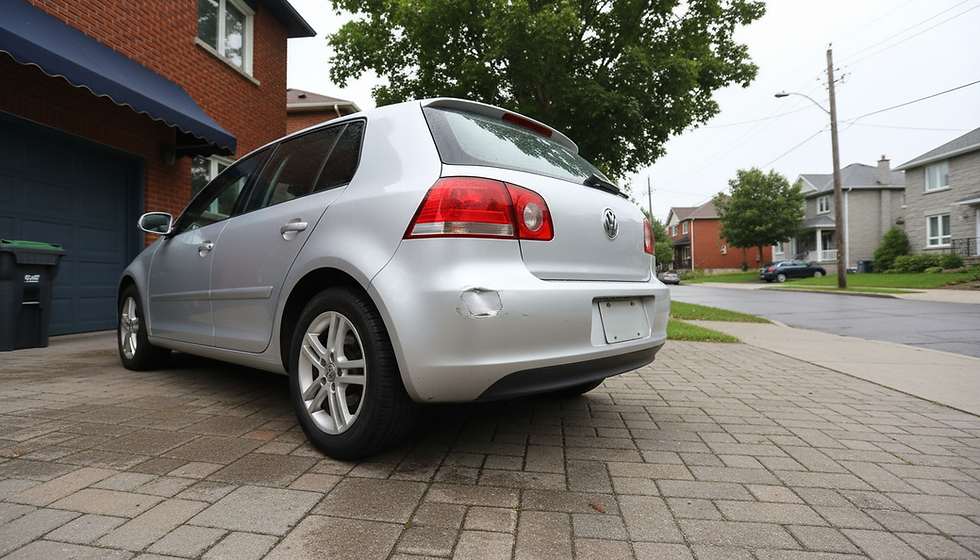
How Ice Damages Your Car’s Body—and What to Do: Collision Repair Tips

Winter in Montreal doesn’t just test your patience—it tests your car. Snowstorms, freezing rain, black ice, and constant freeze-thaw cycles all take a toll on your vehicle’s exterior. While many drivers focus on winter tires and batteries, fewer realize just how much ice can damage a car’s body over time.
Ice doesn’t need to cause a dramatic crash to leave a mark. Small impacts, hidden pressure points, frozen moisture, and icy debris can quietly weaken panels, crack paint, misalign bumpers, and accelerate rust. By the time the damage is obvious, repairs can be more extensive than expected.
The good news? Most ice-related damage can be prevented—or minimized—if you know what to look for and how to respond. This guide breaks down how ice affects your vehicle’s body, the most common types of damage, and when collision repair is the smart next step.
How Ice Interacts With Your Car’s Body in Winter
Ice behaves very differently from snow, and its effects on vehicle bodies are often underestimated.
Why Ice Is More Damaging Than Snow
Snow is soft, compressible, and usually harmless to your car’s exterior. Ice, on the other hand, is dense, rigid, and unforgiving.
Ice causes damage because:
It applies concentrated pressure to panels
It expands when freezing inside seams and cracks
It turns small impacts into hard shocks
It hides obstacles like curbs or debris
Even slow, low-speed contact with ice can stress body panels and mounting points.
Freeze–Thaw Cycles and Hidden Body Damage
Montreal winters are famous for temperature swings. One day above freezing, the next well below zero.
These cycles:
Force moisture into tiny cracks
Cause expansion as water freezes
Weaken paint adhesion
Open pathways for corrosion
Over time, this leads to bubbling paint, rust beneath panels, and structural weakening—issues that often require professional collision repair to correct properly.
Why Modern Cars Are Especially Vulnerable
Modern vehicles use lightweight materials designed to absorb energy efficiently. While this improves safety, it also means body components can be more sensitive to repeated stress.
Ice can affect:
Plastic bumper covers
Sensor housings
Thin metal panels
Panel alignment clips
Damage may not be obvious immediately, but it accumulates over winter.

Common Ice-Related Body Damage Drivers Don’t Notice Right Away
Not all ice damage looks dramatic. In fact, the most expensive issues often start small.
Cracked Paint and Clear Coat From Ice Pressure
Ice expanding under trim, around wheel arches, or along door edges can crack paint without any visible impact.
What begins as:
Hairline cracks
Peeling clear coat
Small chips
Can quickly turn into rust once salt and moisture get underneath. Early collision repair can stop this progression.
Bumper and Panel Misalignment After Icy Contact
Sliding into a snowbank or packed ice may feel harmless—but it can shift components.
Common results:
Slightly crooked bumpers
Gaps between panels
Loose mounting brackets
Misaligned headlights
Even minor misalignment affects aerodynamics, safety systems, and long-term durability.
Underbody and Lower Panel Damage
Ice ridges and frozen slush can strike the underside of your car.
Areas often affected include:
Rocker panels
Lower door edges
Splash shields
Wheel well liners
These components protect more critical structures. Once damaged, moisture and debris can reach areas that require more involved collision repair later.

What to Do When Ice Damages Your Car’s Body
Knowing how to respond makes all the difference.
Why You Shouldn’t Ignore “Minor” Ice Damage
It’s tempting to brush off small dents or cracks after winter driving. But ice damage rarely stays cosmetic.
Delaying repair can lead to:
Spreading rust
Sensor malfunctions
Loose body components
Higher repair costs
A quick assessment early in the season can prevent much larger collision repair jobs later.
Safe Ways to Remove Ice Without Causing Damage
Improper ice removal causes more harm than ice itself.
Avoid:
Metal scrapers
Boiling water
Forceful kicking or prying
Safer options include:
Letting the car warm up gradually
Using de-icing sprays
Gently brushing loose ice
These methods reduce stress on paint and panels.
When to Get a Professional Collision Repair Inspection
Consider an inspection if you notice:
New panel gaps
Paint cracking after winter
Bumper looseness
Warning lights after icy contact
Professional collision repair inspections catch issues before they escalate.

Preventing Ice Damage and Protecting Your Car Long-Term
Prevention is always easier than repair—especially in winter.
Parking Choices That Reduce Ice Exposure
Where you park matters more than most drivers realize.
Helpful strategies:
Avoid parking under icicles
Stay clear of snowbanks
Choose covered parking when possible
Park facing away from plows
These small choices reduce ice buildup and impact risk.
Protective Measures for Your Car’s Body
Extra protection goes a long way in Montreal winters.
Consider:
Paint protection film
Regular waxing or sealant
Underbody rustproofing
Frequent winter washes
These measures help ice slide off instead of sticking and freezing into seams.
Why Post-Winter Inspections Are Just as Important
When winter ends, damage doesn’t disappear—it reveals itself.
A post-winter check can:
Identify hidden rust
Correct misalignment
Repair cracked paint
Restore protective coatings
Addressing winter damage early keeps your vehicle looking good and structurally sound.
Conclusion: Ice Damage Is Common—But It Doesn’t Have to Be Costly
Ice is part of life in Montreal, but serious vehicle damage doesn’t have to be. By understanding how ice affects your car’s body, watching for early warning signs, and acting quickly, you can avoid many of the most expensive outcomes.
The key is not waiting until damage becomes obvious. Small cracks, slight misalignment, or loose panels often point to deeper issues that only worsen over time. Timely collision repair preserves both safety and value.
If winter has been rough on your vehicle and you want clear answers—not pressure—Park Lane Collision is a trusted local expert in Montreal. Their team understands how ice, salt, and cold affect modern vehicles and can help assess damage honestly and effectively, so you can move forward with confidence.
Winter will always leave its mark. The right response ensures it doesn’t leave lasting damage.