Montreal Collision Repair Timelines: What to Expect

Car accidents are stressful. Even minor fender benders can throw off your schedule, your budget, and your peace of mind. And once the initial shock wears off, one of the first questions most Montreal drivers ask is:
“How long will this collision repair take?”
It’s a fair question. You rely on your vehicle every day — whether it’s commuting across the city, navigating winter roads, or picking up the kids from hockey practice. Being without your car can feel like life is on pause.
At Park Lane Collision, we understand that timelines matter just as much as quality. While every collision repair is unique, there are predictable stages in the process. In this guide, we’ll break down what affects repair timelines, what typically happens behind the scenes, how insurance plays a role, and how you can help speed things up.
Let’s walk through what you can realistically expect — step by step.
What Determines How Long Collision Repair Takes?
Before we talk numbers, it’s important to understand that not all collision repair jobs are created equal.
The timeline depends on several key factors.
H3: The Severity of the Damage (Minor vs Major Collision Repair)
The biggest variable in any collision repair timeline is the extent of the damage.
Here’s a general breakdown:
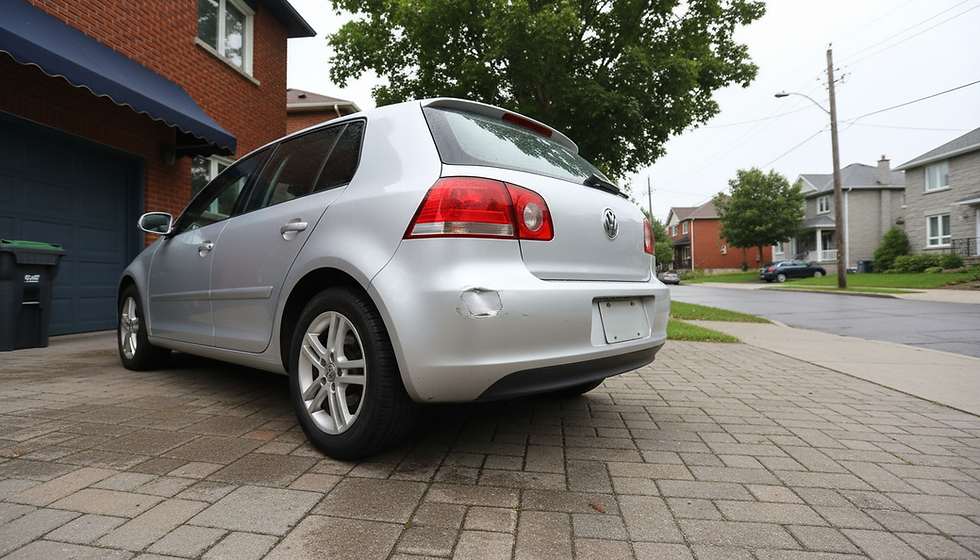
Minor damage (1–3 days):
Surface scratches
Small dents
Light bumper damage
Paint touch-ups
Moderate damage (3–7 days):
Panel replacement
Deeper dents
Headlight or mirror replacement
Minor structural alignment
Major damage (1–3+ weeks):
Frame damage
Airbag deployment
Multiple panel replacements
Structural realignment
Modern vehicles are designed with crumple zones and safety systems that absorb impact. While that’s great for safety, it can mean more internal components need inspection or replacement after a collision.
A professional collision repair shop in Montreal will always perform a thorough damage assessment before committing to a timeline.
Parts Availability in Montreal
Sometimes the repair itself isn’t the delay — it’s the parts.
If your vehicle requires:
OEM (Original Equipment Manufacturer) parts
Specialized sensors
Imported components
Electric vehicle parts
There may be shipping delays, especially during winter or high-demand seasons.
Montreal winters can also increase accident volume, meaning parts are in higher demand across the city.
An experienced collision repair shop will keep you updated if part availability affects your timeline.
Insurance Approval Process
Insurance companies often need to:
Inspect the vehicle
Approve the repair estimate
Confirm coverage details
While many insurers operate quickly, approvals can sometimes take 1–3 business days.
If supplemental damage is discovered during the repair (which is common), an additional approval may be required — adding a little more time.
Clear communication between the collision repair shop and your insurer can help keep things moving smoothly.

The Step-by-Step Collision Repair Process
Understanding what happens behind the scenes helps you feel more in control.
Let’s break down the typical collision repair workflow.
Step 1 – Initial Inspection and Estimate
When you bring your car into a collision repair shop, the first step is a detailed inspection.
Technicians will:
Document visible damage
Check alignment
Inspect structural components
Use digital scanning tools for hidden issues
Modern vehicles often require computer diagnostics to ensure safety systems weren’t affected.
Once complete, you’ll receive an estimate and projected timeline.
Transparency at this stage is key.
Step 2 – Disassembly and Hidden Damage Assessment
After insurance approval, the vehicle is partially disassembled.
Why? Because not all damage is visible externally.
Behind a damaged bumper, there could be:
Broken clips
Bent reinforcements
Cracked brackets
Sensor damage
This stage sometimes reveals additional repairs that affect the timeline.
A reputable collision repair shop will immediately communicate any changes before proceeding.
Step 3 – Structural and Body Repairs
This is where the real transformation begins.
Repairs may include:
Frame straightening
Panel replacement
Welding
Dent repair
Body filler application
Precision equipment ensures the vehicle returns to manufacturer specifications.
Quality collision repair isn’t about speed — it’s about restoring structural integrity and safety.
Step 4 – Paint Preparation and Refinishing
Painting is a meticulous process that takes time.
Steps include:
Surface preparation
Sanding and smoothing
Priming
Color matching
Clear coat application
Curing
Color matching is especially important. Modern automotive paint systems require computerized matching to blend seamlessly.
Rushing this stage can lead to visible inconsistencies.
Step 5 – Reassembly and Quality Control
After painting, technicians reassemble all components.
Then comes final inspection:
Panel alignment
Paint finish inspection
Sensor recalibration
Road testing (if needed)
Before delivery, the vehicle must pass internal quality standards.
This final stage ensures your collision repair meets professional expectations.
How Montreal Weather Impacts Collision Repair Timelines
Montreal weather isn’t just tough on drivers — it affects repair logistics too.
Winter Accident Volume Increases Demand
During snowy months, collision repair shops see a surge in vehicles.
More demand can mean:
Longer booking times
Slightly extended repair schedules
Increased parts demand
Planning ahead (when possible) helps reduce stress.
Cold Temperatures Affect Paint Curing
While professional shops use climate-controlled environments, extreme cold can still impact:
Paint curing times
Material handling
Drying cycles
High-quality collision repair facilities compensate with heated paint booths to maintain optimal conditions.
Rust and Salt Damage Can Complicate Repairs
Montreal’s heavy road salt can reveal additional corrosion once panels are removed.
Rust treatment adds time but ensures longevity.
Skipping proper corrosion treatment may cause future issues — something no responsible collision repair shop would recommend.

How You Can Help Speed Up the Collision Repair Process
Yes — you can actually influence the timeline.
Submit Insurance Information Quickly
The faster you:
Provide claim numbers
Confirm coverage
Authorize repairs
The faster work can begin.
Delays often happen before the car even enters the repair phase.
Choose a Trusted Local Collision Repair Shop
Working with an experienced Montreal collision repair team reduces delays caused by:
Poor communication
Incomplete estimates
Rework due to mistakes
Efficiency comes from expertise.
Be Realistic About Quality
Fast isn’t always better.
Proper:
Paint blending
Structural alignment
Safety system recalibration
Take time.
Quality collision repair ensures your vehicle is safe and looks like the accident never happened.
Conclusion: Clarity Brings Peace of Mind
After an accident, uncertainty can be overwhelming. But understanding collision repair timelines helps you plan and feel more in control.
While minor repairs may take just a few days, more complex work can extend over weeks — especially when insurance approvals and parts ordering are involved.
The key is communication, transparency, and working with professionals who prioritize both quality and efficiency.
If you ever find yourself needing collision repair in Montreal, Park Lane Collision is a trusted local expert committed to restoring vehicles safely and properly. Our team focuses on clear timelines, honest updates, and craftsmanship you can rely on.
Accidents happen. Stress doesn’t have to stay.
We’re here when you need us.