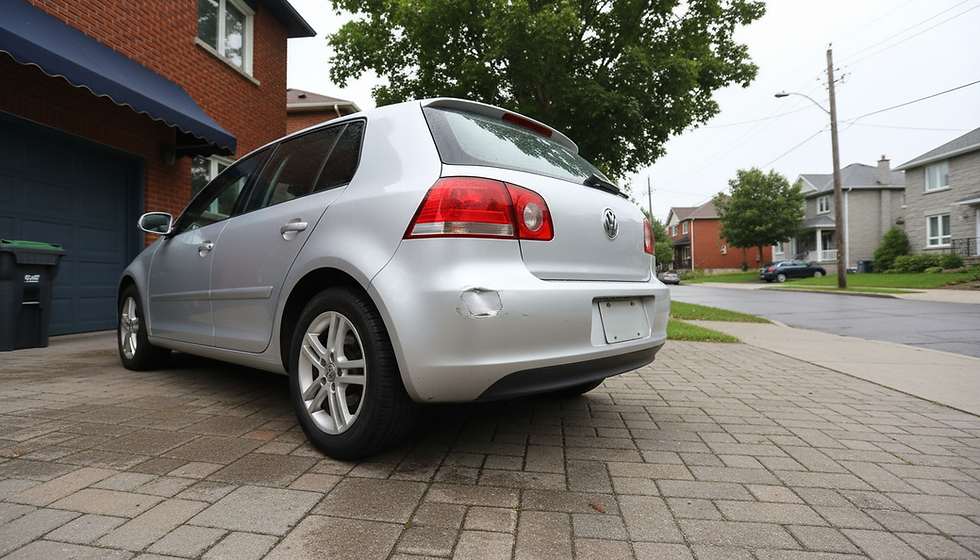
Road Trip Damage: Common Auto Body Issues After Summer Travel
Summer road trips offer freedom, adventure, and memories. Yet, after hours on the road, your vehicle may carry more than just souvenirs. The combination of long distances, changing weather, and road conditions can cause various auto body issues. Recognizing these problems early helps protect your car’s value and keeps it safe for future journeys.

Auto Body Tips: Scratches and Paint Chips from Debris
Driving hundreds of miles exposes your car to gravel, sand, and small stones kicked up by other vehicles. These particles can chip the paint or leave scratches, especially on the front bumper, hood, and side panels. Paint damage not only looks unsightly but also exposes metal to rust.
How to spot and prevent:
Inspect the front and sides of your car for tiny chips or scratches.
Use touch-up paint kits for minor repairs.
Consider applying a clear protective film before your trip.
Wash your car regularly to remove abrasive dirt.
Dents from Parking and Road Hazards
Tight parking spots at crowded tourist destinations increase the risk of door dings and dents. Additionally, rough roads or potholes can cause minor body damage if you hit debris or uneven surfaces.
Tips to minimize dents:
Park away from crowded areas when possible.
Choose spots next to curbs or walls to protect one side.
Drive cautiously on unfamiliar roads, avoiding potholes and debris.
Use a car cover if parking outdoors for extended periods.
Fading and Discoloration from Sun Exposure
Extended exposure to intense summer sun can fade your car’s paint and damage plastic trim. UV rays break down paint pigments and cause clear coats to peel, leading to a dull appearance.
Ways to protect your car’s finish:
Park in shaded areas or use a sunshade.
Apply wax or sealant before your trip to add a protective layer.
Use UV protectant sprays on plastic and rubber parts.
Regularly wash and dry your car to remove contaminants.

Cracked or Chipped Windshield
Road debris and temperature changes during summer travel can cause windshield chips or cracks. Even small chips can spread quickly, compromising visibility and safety.
What to do if you notice damage:
Inspect your windshield regularly for chips or cracks.
Repair small chips promptly with a windshield repair kit or professional service.
Avoid sudden temperature changes, such as blasting cold air on a hot windshield.
Replace the windshield if cracks are large or impair vision.
Rust and Corrosion from Road Salt and Moisture
While salt is more common in winter, coastal summer destinations may expose your car to salty air and moisture. Salt accelerates rust formation, especially on exposed metal areas with paint damage.
Prevent rust by:
Washing your car thoroughly after visiting coastal areas.
Applying rust-proof coatings or undercoating.
Repairing paint chips and scratches quickly.
Keeping your car dry and parking in covered areas when possible.

Loose or Damaged Trim and Bumpers
Bumps from parking or rough roads can loosen or crack plastic trim and bumpers. These parts protect your car’s body and improve aerodynamics, so damage can affect performance and appearance.
How to maintain trim and bumpers:
Check for loose clips or cracks after your trip.
Use plastic adhesive or replacement parts for repairs.
Avoid aggressive parking maneuvers.
Regularly clean and inspect these areas.
Tire and Wheel Damage
Long drives on varied terrain can cause tire wear, punctures, or wheel damage. Hitting potholes or curbs may bend rims or cause alignment issues, affecting handling and safety.
Keep tires and wheels in good shape by:
Inspecting tires for cuts, bulges, or uneven wear.
Checking tire pressure regularly.
Avoiding potholes and curbs.
Getting wheel alignment checked after rough roads.
Final Thoughts on Protecting Your Car After Summer Travel
Summer road trips create lasting memories but can leave your car vulnerable to damage. Regular inspections, timely repairs, and preventive care help maintain your vehicle’s appearance and safety. After your next trip, take time to check for scratches, dents, paint fading, windshield chips, rust, and trim issues. Addressing these problems early saves money and keeps your car ready for the road ahead.
Taking simple steps like washing your car, applying protective coatings, and parking carefully can reduce the risk of damage. Your vehicle will thank you with better looks and performance on every journey.