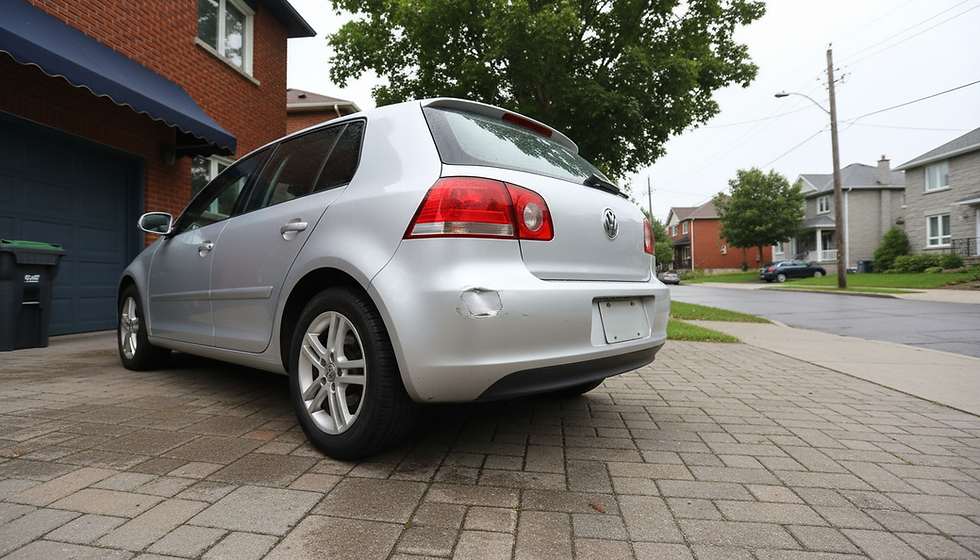
Why Fall Is Great for Paintless Dent Repairs

Fall in Montreal is a season of change. The air is crisp, the leaves are vibrant, and drivers start preparing their cars for the long Canadian winter. It’s also one of the smartest times of the year to schedule dent repairs—specifically paintless dent repair (PDR).
Whether you’ve collected small dings from summer hail, tight parking lots, or flying gravel, fall offers the perfect conditions to get them fixed before winter hits. Why? Because minor dents that don’t seem like a big deal in September can quickly turn into rust problems, cracked paint, and expensive body shop visits once road salt and freezing temperatures arrive.
In this article, we’ll break down why fall is the ideal season for dent repairs, how PDR works, and what makes it a cost-effective, time-saving solution.
1. Why Paintless Dent Repairs Are Perfect in Fall
Fall weather and timing make it the best opportunity to take care of dents before they become bigger issues.
Avoid Rust Before Winter Sets In
One of the biggest reasons fall is the right time for dent repairs is rust prevention.
Dents create weak spots where moisture can collect.
In winter, snow and salt accelerate corrosion.
A dent that’s harmless in October can become a rust patch by February.
Fixing dents in fall means sealing your car against harsh conditions before it’s too late.
Mild Temperatures Help the Process
Paintless dent repair relies on carefully massaging metal back into place. Extreme heat or cold makes that process harder. Fall’s mild, stable temperatures are perfect for technicians to achieve smooth, flawless results.
Get Ahead of Winter Prep
Most car owners wait until late November to book auto maintenance, creating shop backlogs. By scheduling dent repairs in September or October, you:
Beat the seasonal rush.
Ensure your car is ready before the first snow.
Save time and stress during the busy holiday season.

2. The Benefits of Paintless Dent Repair
If you’re not familiar with PDR, here’s why it’s become one of the most popular dent repair methods.
No Need for Repainting
Traditional dent repairs often involve sanding, filling, and repainting panels. With PDR:
The technician restores the panel from behind.
Your factory paint stays intact.
The repair blends seamlessly without mismatched paint.
This makes it a faster, more natural-looking solution.
Cost-Effective Compared to Traditional Repairs
Because PDR doesn’t require paint, filler, or extensive labor:
Repairs cost less overall.
You avoid hidden expenses like paint matching.
Insurance often covers PDR for hail or minor dents.
For small to medium dents, it’s easily the most affordable option.
Protects Your Car’s Value
When it comes time to sell or trade-in, dents hurt resale value.
Even small imperfections signal neglect to buyers.
Cars with original, undamaged paint command higher prices.
PDR restores panels without altering the factory finish.
It’s a small investment that pays off in the long run.

3. Common Fall Dents and How to Handle Them
You might not realize how many dents your car has collected until fall arrives and you give it a good wash. Here are the most common types to look for.
Parking Lot Dings
Back-to-school season and holiday shopping bring crowded lots. Doors swing open, carts roll loose, and suddenly, your car has a new dent.
PDR works perfectly on door dings.
It restores panels quickly without replacing parts.
Many jobs take less than an hour.
Hail Damage from Summer Storms
Montreal summers can deliver sudden hailstorms that leave vehicles peppered with dents. Fall is the best time to:
Inspect your roof, hood, and trunk.
Schedule hail-related dent repairs while they’re still manageable.
Avoid compounding damage with winter rust.
Gravel and Road Debris
Construction season leaves loose gravel everywhere. Small stones kicked up at highway speeds often leave dents or chips.
PDR smooths out shallow dents.
Chips can be sealed before they turn into rust spots.
Addressing them now prevents worse problems in spring.

4. DIY vs. Professional Dent Repairs
Should you try fixing dents at home or rely on a pro? Let’s compare.
When DIY Might Work
There are DIY kits for dent pulling, but they only work for very shallow dents.
Small suction tools may lift out a minor ding.
Heat-and-cold tricks sometimes reduce tiny imperfections.
However, results are rarely perfect.
DIY can be worth a try for the smallest dents—but keep expectations realistic.
Why Professional PDR Is Better
Professional technicians have specialized tools and training to:
Reach behind panels safely.
Massage dents out without cracking paint.
Restore factory condition without visible signs of repair.
With pros, the results are consistent and long-lasting.
Local Expertise in Montreal Matters
Fall and winter driving in Montreal means unique challenges—road salt, freeze-thaw cycles, and parking lot chaos. Local auto body shops like Park Lane Collision understand:
The common types of dents Montreal drivers face.
How to repair them quickly before snow season.
Which preventive steps help cars last through winter.
Their expertise ensures you’re not just repairing dents but protecting your car from upcoming seasonal damage.
Conclusion: Fall Is the Season for Smart Dent Repairs
Fall isn’t just about cozy sweaters and pumpkin spice—it’s also the smartest time to get your car into shape. By scheduling dent repairs before winter, you prevent rust, protect your paint, and save money on bigger fixes down the line.
Paintless dent repair offers quick, affordable, and high-quality results that keep your vehicle looking its best. And in Montreal, having your car winter-ready is less about looks and more about survival.
If you’d rather leave it to trusted professionals, Park Lane Collision is your local auto body repair shop in Montreal. With skilled technicians and years of experience, they’re ready to smooth out dents and prepare your car for whatever winter throws your way.
Because once the snow starts falling, you’ll be glad your car’s dents are a thing of the past.