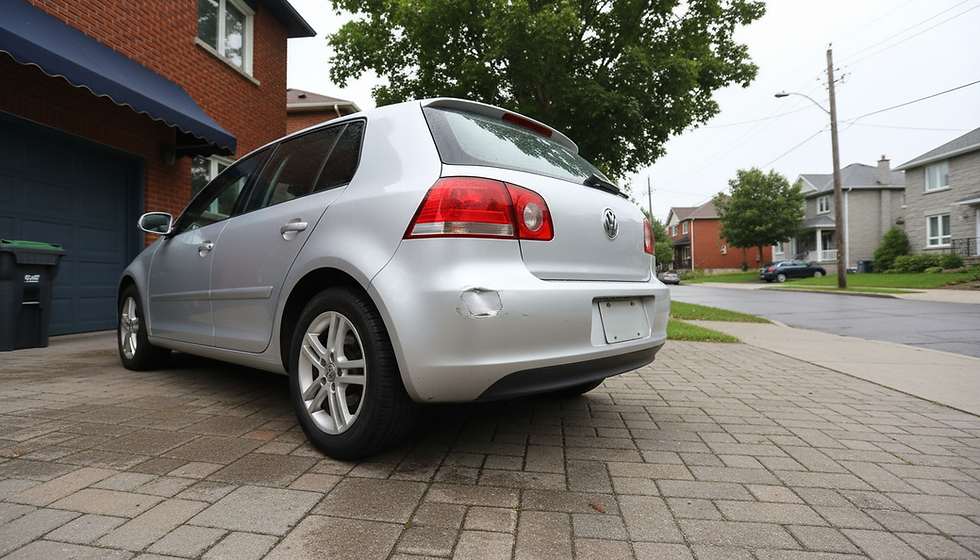
Auto Collision Repair Tips: How Tree Sap, Bugs, and Sunlight Damage Your Car’s Exterior
Your car’s exterior faces constant challenges from the environment. Tree sap, bugs, and sunlight may seem harmless at first, but over time, they can cause serious damage to your vehicle’s paint and body. Understanding how these elements affect your car and knowing how to address the damage can save you time and money, especially if you ever need auto collision repair.
This post explains the impact of tree sap, bugs, and sunlight on your car’s exterior and offers practical tips to protect and maintain your vehicle’s finish.

How Tree Sap Harms Your Car’s Paint
Tree sap is a sticky, resinous substance that drips from certain trees, especially pines and maples. When sap lands on your car, it can harden and bond tightly to the paint surface.
Chemical effects: Tree sap contains acids and other compounds that can eat into the clear coat and paint layers.
Physical damage: Once hardened, sap can trap dirt and debris, creating abrasive spots that scratch the paint when wiped or rubbed.
Long-term impact: If left untreated, sap can cause discoloration and permanent stains that require professional auto collision repair to fix.
How to Remove Tree Sap Safely
Removing sap quickly is key to preventing damage. Here are some tips:
Use a dedicated sap remover or rubbing alcohol applied with a soft cloth.
Avoid scrubbing hard, which can scratch the paint.
Wash and wax your car after sap removal to restore protection.
If sap has hardened for weeks or months, consult a professional to avoid worsening the damage.
Bugs and Their Effect on Your Vehicle’s Exterior
Bug splatter is more than just an eyesore. The acidic nature of bug remains can corrode your car’s paint if not cleaned promptly.
Acidic residue: Bug guts contain acids that eat through the clear coat and paint.
Staining: Bug stains can become permanent if left on the surface too long.
Paint etching: The longer bug remains sit on the paint, the deeper the etching, making it harder to remove without buffing or repainting.
Best Practices for Bug Removal
Clean bug splatter as soon as possible using a gentle car wash soap.
Use a bug and tar remover for stubborn spots.
Avoid harsh scrubbing; instead, soak the area with water or cleaner to soften the residue.
Regular waxing helps create a barrier that reduces bug adhesion.

Sunlight and UV Rays: Invisible Damage Over Time
Sunlight exposure causes gradual but serious damage to your car’s exterior. UV rays break down paint molecules and clear coat, leading to fading, cracking, and peeling.
Fading colors: UV rays cause pigments in paint to fade, dulling your car’s shine.
Clear coat breakdown: The protective clear coat becomes brittle and cracks, exposing the paint underneath.
Increased vulnerability: Once the clear coat is damaged, the paint is more susceptible to rust and corrosion.
Protecting Your Car from Sun Damage
Park in shaded areas or use a car cover when possible.
Apply a high-quality wax or paint sealant every few months.
Consider ceramic coatings for longer-lasting protection.
Regularly wash your car to remove contaminants that can worsen sun damage.
When to Seek Auto Collision Repair
Sometimes, damage from tree sap, bugs, or sunlight goes beyond simple cleaning or waxing. Signs you may need professional auto collision repair include:
Deep scratches or etching in the paint.
Large areas of discoloration or peeling paint.
Rust spots starting to form under damaged paint.
Surface damage that affects the car’s body panels or clear coat integrity.
A collision repair shop can assess the damage and recommend solutions such as repainting, clear coat restoration, or panel repair.

Routine Maintenance Tips to Avoid Exterior Damage
Preventing damage is easier than fixing it. Follow these maintenance tips:
Wash your car regularly, especially after driving through bug-heavy areas or parking under trees.
Use gentle cleaning products designed for automotive paint.
Apply wax or sealant to protect the paint from sap, bugs, and UV rays.
Inspect your car’s exterior often and address any spots of damage immediately.
Avoid parking under trees known for heavy sap production.
Final Thoughts on Protecting Your Car’s Exterior
Keeping your car's exterior in excellent condition requires consistent care, especially after long summer road trips. Small issues like paint chips, minor dents, windshield damage, or loose trim can quickly become more expensive repairs if they are ignored. By inspecting your vehicle regularly, washing away dirt and road debris, repairing damage promptly, and using protective products, you can preserve both its appearance and long-term value.
A little preventive maintenance goes a long way. Taking the time to care for your vehicle after each trip will help it stay safer, look better, and maintain its resale value for years to come. If you notice more significant body damage or want a professional assessment, the experienced team at Oto Crémazie can help restore your vehicle and keep it looking its best, so you're ready for your next adventure with confidence.