Why Cheap Collision Repairs Can Cost More Long-Term
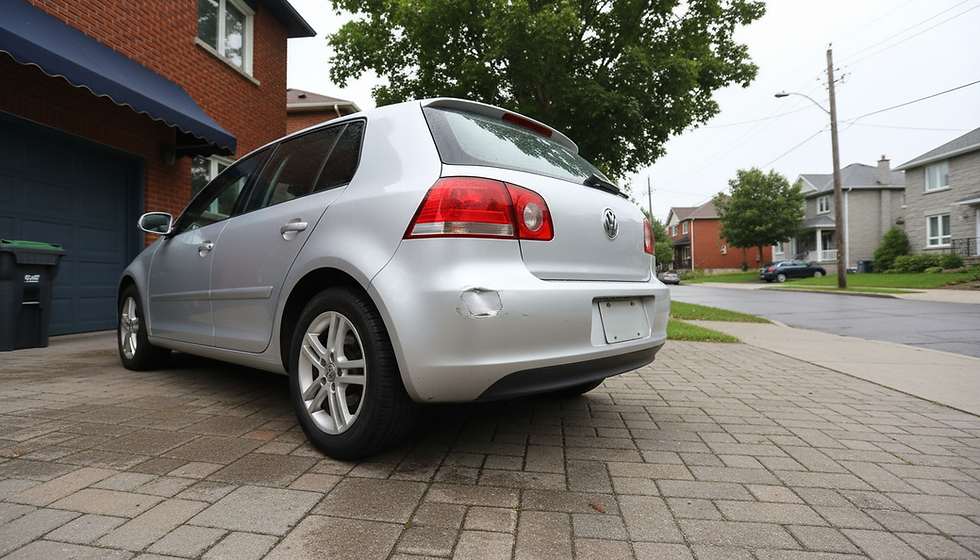
After a car accident, it's natural to want repairs completed quickly and affordably. Whether it's a dented bumper, damaged fender, scratched paint, or more significant damage, many drivers begin their search by looking for the lowest estimate possible. At first glance, choosing the cheapest option seems like a smart financial decision.
However, when it comes to collision repairs, the lowest price doesn't always provide the best value. In fact, inexpensive repairs can sometimes lead to larger expenses, safety concerns, and repeated visits to the repair shop later on.
Many vehicle owners discover months—or even years—after a repair that corners were cut, lower-quality materials were used, or hidden damage was never properly addressed. What initially looked like savings often turns into additional repair bills and frustration.
Understanding the difference between a quality collision repair and a bargain-priced repair can help you make a more informed decision after an accident.
In this guide, we'll explore why cheap collision repairs often cost more in the long run, what risks they create, and how choosing quality repairs can protect both your vehicle and your wallet.
The Hidden Risks Behind Cheap Collision Repairs
Not all repair estimates are created equal. Lower prices often mean compromises somewhere in the repair process.
Cheap Collision Repairs Often Skip Hidden Damage Inspections
One of the most common ways some shops lower costs is by limiting inspection procedures.
After an accident, visible damage is only part of the story. Beneath a damaged bumper or dented panel may be:
Bent supports
Damaged impact absorbers
Structural issues
Suspension problems
Sensor damage
A thorough collision repair inspection takes time and specialized equipment.
Shops focused solely on low pricing may overlook hidden damage in order to keep estimates attractive.
Unfortunately, these hidden problems can later affect:
Vehicle safety
Handling
Tire wear
Resale value
Lower-Quality Parts Can Create Bigger Problems
Parts represent a major portion of collision repair costs.
To reduce expenses, some facilities may use:
Low-quality aftermarket parts
Poorly fitting components
Reconditioned parts of questionable quality
While some aftermarket parts perform well, others may create issues such as:
Improper panel alignment
Increased wind noise
Water leaks
Reduced durability
Poor fitment often becomes noticeable long after repairs are completed.
Paint Quality Matters More Than Many Drivers Realize
Paint matching is both an art and a science.
Lower-cost collision repairs may use:
Inferior paint products
Limited blending procedures
Reduced preparation time
The result may include:
Visible color differences
Premature fading
Peeling clear coat
Reduced protection against corrosion
What appears acceptable on the day of delivery may become obvious after a few months of exposure to Montreal's weather.

How Cheap Collision Repairs Affect Vehicle Safety
Safety should always be the highest priority after any accident.
Structural Repairs Require Precision
Modern vehicles are designed with carefully engineered crumple zones.
These structures help absorb impact energy and protect occupants during a collision.
Proper collision repairs require:
Precise measurements
Factory specifications
Advanced repair techniques
Even small structural inaccuracies can affect how a vehicle responds during future accidents.
Choosing the cheapest repair option may increase the risk of incomplete structural restoration.
Advanced Safety Systems Need Proper Calibration
Today's vehicles contain sophisticated technology such as:
Blind spot monitoring
Lane departure warnings
Adaptive cruise control
Forward collision warning systems
Parking sensors
After an accident, these systems often require recalibration.
Cheap collision repairs sometimes skip this step because it adds time and cost.
However, improperly calibrated safety systems may:
Deliver inaccurate warnings
Fail to activate properly
Create false alerts
This can significantly reduce their effectiveness.
Poor Repairs Can Affect Vehicle Handling
Collision damage frequently impacts more than body panels.
Suspension and steering components may also be affected.
Without proper inspection and repair:
Wheel alignment may suffer
Steering response may change
Tire wear may accelerate
Stability may decrease
These issues often become apparent only after weeks or months of driving.
Why Cheap Collision Repairs Usually Lead to Higher Costs Later
Saving money today can sometimes create larger expenses tomorrow.
Repeat Repairs Become Necessary
One of the biggest hidden costs involves redoing repairs.
Poor-quality collision repairs may result in:
Paint peeling
Rust formation
Loose panels
Visible imperfections
When repairs fail prematurely, owners often end up paying twice.
The original savings quickly disappear.
Corrosion Problems Can Spread
Montreal's climate is particularly harsh on vehicles.
Road salt, moisture, and temperature fluctuations accelerate corrosion.
If damaged areas are not properly repaired and sealed:
Rust develops faster
Paint deteriorates sooner
Structural damage may spread
A minor repair issue can evolve into a major restoration project.
Lower Resale Value Hurts Long-Term Ownership Costs
Prospective buyers often recognize poor repair work.
Common warning signs include:
Mismatched paint
Uneven body gaps
Overspray
Visible repair marks
Vehicles with questionable repair histories typically receive lower resale offers.
High-quality collision repairs help preserve vehicle value over time.

What Professional Collision Repairs Include
Quality repairs involve far more than replacing damaged parts.
Comprehensive Damage Assessment
Professional facilities perform detailed inspections that include:
Visual assessments
Structural measurements
Electronic diagnostics
Suspension evaluation
Safety system analysis
This thorough process ensures all accident-related damage is identified.
Proper Repair Procedures
Quality collision repairs follow manufacturer guidelines whenever possible.
This may involve:
Approved repair methods
Correct replacement parts
Proper welding procedures
Factory-recommended materials
Following established procedures helps restore vehicle performance and safety.
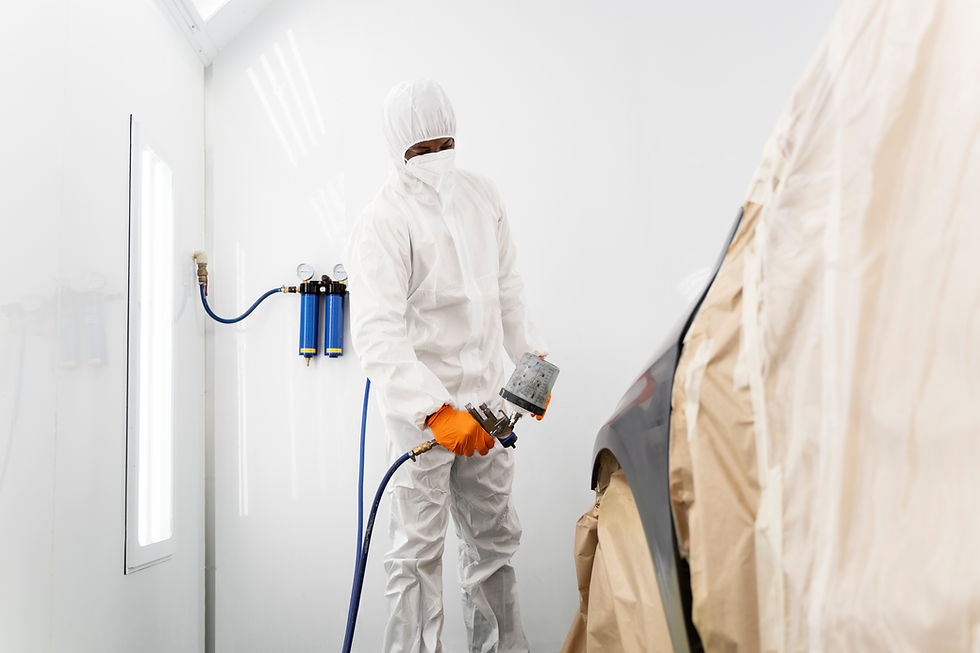
Professional Paint Matching and Refinishing
Modern paint systems require advanced color-matching technology.
Professional refinishing typically includes:
Paint blending
Multiple coating layers
Clear coat protection
Controlled curing processes
The goal is a seamless appearance that matches the original finish.
How to Choose the Right Collision Repair Shop
Price is important, but it should never be the only consideration.
Look Beyond the Estimate
When comparing collision repairs, ask questions such as:
What parts will be used?
Are diagnostics included?
Will safety systems be calibrated?
Is there a warranty?
Understanding what's included helps you compare true value rather than just price.
Ask About Warranties
Reputable collision repair facilities often stand behind their work.
Strong warranties demonstrate confidence in:
Workmanship
Materials
Repair quality
Warranty coverage can provide peace of mind long after repairs are completed.
Evaluate Experience and Reputation
A shop's experience matters.
Look for:
Positive customer reviews
Industry certifications
Modern equipment
Transparent communication
An experienced team is more likely to identify hidden issues and perform repairs correctly.
The Real Value of Quality Collision Repairs
While quality repairs may initially cost more, they often save money over the life of the vehicle.
Better Durability
Properly repaired vehicles tend to:
Resist corrosion longer
Maintain appearance better
Experience fewer repair failures
This reduces future maintenance expenses.
Greater Safety
Accurate collision repairs help restore:
Structural integrity
Safety systems
Handling characteristics
Protecting occupants should always remain the primary goal.
Stronger Vehicle Value
Well-documented, professional repairs help maintain:
Resale value
Buyer confidence
Overall vehicle appeal
In many cases, this alone offsets any difference in repair cost.
Conclusion
When evaluating collision repairs, it's tempting to focus exclusively on price. However, the cheapest estimate often doesn't tell the whole story. Lower-cost repairs may involve shortcuts, lower-quality materials, incomplete inspections, or missed safety procedures that create larger expenses later.
Quality collision repairs are an investment in your vehicle's safety, appearance, reliability, and long-term value. While they may cost slightly more upfront, they often prevent repeat repairs, preserve resale value, and provide greater peace of mind.
If your vehicle has been involved in an accident, taking the time to choose a qualified repair facility can make all the difference. For Montreal drivers seeking reliable workmanship and thorough repairs, Park Lane Collision has earned a reputation as a trusted local expert dedicated to restoring vehicles properly and safely.