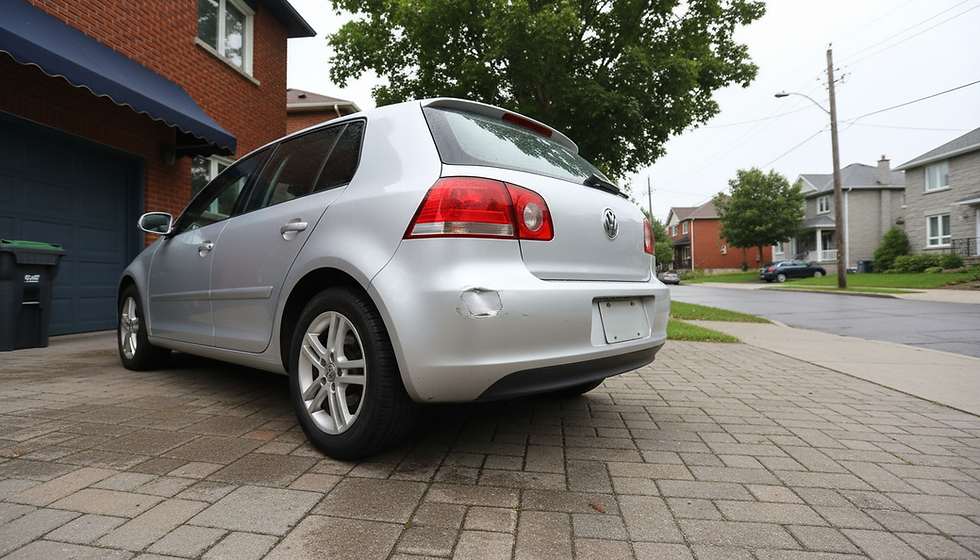
Understanding Deductibles for Collision Repair

If you’ve ever been in a car accident, you probably remember the stress that followed. Beyond the initial shock and inconvenience, there’s paperwork, phone calls, estimates—and one term that almost always causes confusion: the deductible.
Many drivers nod along when their insurance company mentions a deductible, but few truly understand how it works, how it affects collision repair, or how it can influence decisions after an accident. Some people delay repairs because of it. Others are surprised by the amount they’re expected to pay. And many simply aren’t sure what’s normal or negotiable.
This guide is here to clear things up. We’ll explain what deductibles are, how they apply to collision repair in Montreal, common misconceptions, and how to make informed decisions when repairs are needed. No jargon, no pressure—just practical information you can actually use.
What a Deductible Really Means in Collision Repair
Before diving into scenarios and costs, it’s important to understand the basics.
What Is a Deductible in Collision Repair?
In simple terms, a deductible is the portion of the collision repair cost that you agree to pay out of pocket before your insurance coverage kicks in.
For example:
If your deductible is $500
And your collision repair costs $3,000
You pay the first $500
Your insurance covers the remaining $2,500
The deductible applies per claim, not per repair item.
Why Deductibles Exist in the First Place
Insurance companies use deductibles for a few key reasons:
To reduce small or unnecessary claims
To share financial responsibility with the driver
To keep insurance premiums lower
Generally speaking:
Lower deductibles = higher monthly premiums
Higher deductibles = lower monthly premiums
Your deductible is chosen when you purchase or renew your policy—not at the time of the accident.
Collision Repair vs Other Types of Coverage
It’s important to note that deductibles usually apply to collision repair, not all claims.
Typically:
Collision coverage → deductible applies
Comprehensive coverage → deductible may apply
Liability coverage → no deductible
If another driver is fully at fault and their insurance pays, you may not have to pay your deductible at all.

How Deductibles Affect Collision Repair Decisions
Deductibles don’t just affect your wallet—they often affect how people approach repairs.
Should You Proceed With Collision Repair If Damage Is Minor?
One of the most common questions drivers ask is whether it’s worth filing a claim if the damage is minor.
For example:
Repair cost: $700
Deductible: $500
In this case, insurance would only cover $200. Some drivers choose to pay out of pocket instead, especially to avoid a claim on their record.
However, be cautious:
What looks minor may hide structural or sensor damage
Winter accidents in Montreal often cause hidden issues
Delaying collision repair can increase long-term costs
An inspection helps you make an informed decision before choosing how to proceed.
Why Deductibles Sometimes Feel “Unexpected”
Many drivers are surprised by their deductible amount simply because they haven’t thought about it in years.
Common reasons for confusion include:
Policy renewals with changed terms
Multiple vehicles with different deductibles
Confusing policy wording
Understanding your deductible before an accident removes a lot of stress during the collision repair process.
Does Paying a Deductible Mean Lower Quality Repairs?
Absolutely not.
Your deductible:
Does not affect repair quality
Does not change repair standards
Does not limit which parts are used
Quality collision repair is based on proper procedures and safety standards—not on how much of the bill you personally pay.

Common Myths About Deductibles and Collision Repair
There’s a lot of misinformation around deductibles. Let’s clear up some of the most common myths.
Myth: The Repair Shop Sets the Deductible
This is one of the biggest misconceptions.
The truth:
The deductible is set by your insurance policy
Repair shops do not control or change it
It’s a contract between you and your insurer
A reputable collision repair shop simply applies the deductible according to the claim.
Myth: You Must Go to the Insurance Company’s “Preferred” Shop
Many drivers believe they have no choice in where collision repair is done.
In reality:
In most cases, you can choose your repair shop
Insurance companies may recommend shops, but it’s usually optional
You still pay the same deductible regardless
Choosing a shop you trust can make the repair process smoother and less stressful.
Myth: Filing a Claim Automatically Raises Your Premium
This is a nuanced topic.
While some claims can affect premiums:
Not all collision repair claims result in increases
Fault matters
Claim history matters
It’s best to discuss your specific situation with your insurer rather than assuming the worst.

How to Navigate Deductibles Smoothly During Collision Repair
Understanding deductibles helps you stay in control during an already stressful time.
Questions to Ask Before Starting Collision Repair
Before authorizing repairs, it’s okay—and smart—to ask questions.
Helpful questions include:
What is my deductible for this claim?
Is the damage fully covered?
Are there any uncovered items?
Will additional damage change the estimate?
Clear communication avoids surprises later.
Planning Ahead Makes Deductibles Easier to Handle
Accidents are unpredictable, but preparation helps.
Consider:
Knowing your deductible amount
Setting aside a small emergency fund
Reviewing your policy annually
Being prepared turns the deductible from a shock into a manageable expense.
Why Transparency Matters in Collision Repair
A good repair experience is built on clarity and trust.
A professional collision repair shop should:
Explain estimates clearly
Coordinate with insurance when needed
Keep you informed if costs change
Respect your decisions
Transparency makes the deductible feel like a known step—not a hidden trap.
Conclusion: Understanding Deductibles Makes Collision Repair Less Stressful
Deductibles don’t have to be confusing or intimidating. When you understand how they work, what they apply to, and how they fit into the collision repair process, you’re better equipped to make confident decisions after an accident.
Instead of feeling caught off guard, you can:
Evaluate repair options calmly
Communicate clearly with insurers
Avoid unnecessary delays
Protect your vehicle’s safety and value
If you ever need guidance through the collision repair process—including understanding how deductibles apply—Park Lane Collision is a trusted auto body shop in Montreal. Their team works with drivers every day to make repairs clear, transparent, and stress-free, helping you get back on the road with confidence.
Accidents happen. Confusion doesn’t have to.