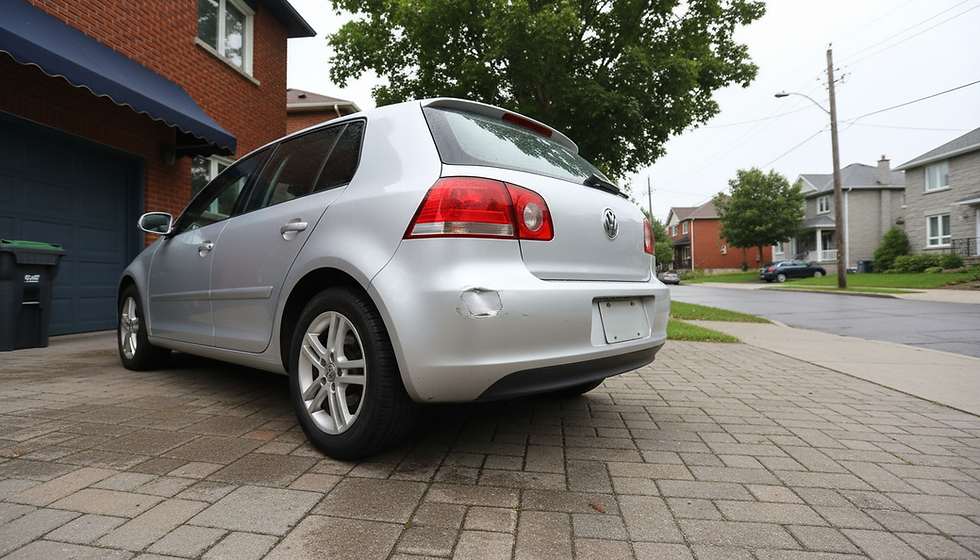
Winter Fender Benders: Common Hidden Damage

Winter in Montreal has a way of making even the most careful drivers nervous. Snow-packed streets, icy intersections, reduced visibility, and unpredictable traction all increase the chances of small accidents. These low-speed incidents—often called fender benders—are incredibly common during the winter months.
At first glance, a winter fender bender may not seem like a big deal. A scuffed bumper, a small dent, or a cracked piece of plastic can feel purely cosmetic. Many drivers shrug it off, assuming the damage is minor and not worth worrying about.
But here’s the catch: winter fender benders frequently cause hidden damage that isn’t obvious right away. Beneath the surface, important components can be compromised, affecting safety, performance, and long-term reliability.
This article breaks down the most common hidden damage caused by winter fender benders, how to recognize warning signs, and why proper inspection matters—especially in Montreal’s harsh winter conditions.
Why Winter Fender Benders Are More Serious Than They Look
At low speeds, winter accidents often feel harmless. But winter conditions change how impact forces affect your vehicle.
Why Fender Benders in Winter Behave Differently
In warmer months, tires grip the road and absorb some of the energy during minor collisions. In winter, ice and packed snow remove that grip.
As a result:
Vehicles slide instead of stopping abruptly
Impacts occur at unusual angles
Force travels unevenly through the vehicle
This means even slow-speed fender benders can stress parts of the car that aren’t designed for that kind of force.
Snowbanks and Ice Hide What You’re Actually Hitting
One of the biggest winter hazards in Montreal is not knowing what’s under the snow.
Snowbanks can conceal:
Curbs
Parking blocks
Fire hydrants
Concrete barriers
Metal posts
What feels like a soft bump into snow may actually be a solid impact. Many winter fender benders involve hidden objects that cause damage beneath bumpers and body panels.
Why Modern Vehicles Are More Vulnerable to Hidden Damage
Today’s vehicles are packed with technology.
Behind a typical bumper are:
Impact absorbers
Mounting brackets
Parking sensors
Radar units
Blind-spot and collision detection systems
A minor-looking fender bender can misalign or damage these components without leaving obvious exterior clues.

The Most Common Hidden Damage After Winter Fender Benders
Not all damage is visible, especially right after an accident in snow and slush.
Bumper Reinforcement and Mounting Damage
The outer bumper cover is designed to flex and rebound. Underneath, however, are structural components that do not flex the same way.
Common hidden issues include:
Cracked or compressed bumper reinforcements
Broken mounting tabs
Shifted absorber foam
Bent brackets
These issues may not affect how the car looks—but they reduce its ability to absorb impact in future accidents. Winter fender benders often damage these parts without obvious signs.
Sensor and Safety System Misalignment
Even a light impact can affect your vehicle’s electronic systems.
After a winter fender bender, drivers may notice:
Warning lights appearing days later
Parking sensors acting erratically
Adaptive cruise control not functioning properly
Blind-spot alerts behaving inconsistently
These systems rely on precise positioning. A small shift caused by a fender bender can throw off calibration, even if nothing appears broken.
Suspension and Steering Stress From Sliding Impacts
Winter fender benders often involve one wheel hitting something first.
This can cause:
Bent control arms
Strained tie rods
Alignment issues
Premature tire wear
Because the car still drives, these problems often go unnoticed until handling feels “off” weeks later.

Warning Signs That a Fender Bender Caused Hidden Damage
Your vehicle usually tells you when something isn’t right—you just have to know what to look for.
Driving Changes After Fender Benders
After a winter accident, pay close attention to how your car feels.
Red flags include:
Pulling to one side
Steering wheel not centered
Vibrations at certain speeds
A loose or unstable feel on icy roads
These symptoms are often linked to hidden damage from winter fender benders rather than normal winter driving conditions.
Visual Clues You Shouldn’t Ignore
You don’t need a lift or special tools to spot some issues.
Check for:
Uneven panel gaps
Bumpers that sit slightly crooked
Cracked paint near impact areas
Trim pieces that don’t fit properly
In winter, dirt and slush can hide these signs, so it’s worth inspecting the vehicle once it’s clean and dry.
Delayed Problems That Appear Days or Weeks Later
Hidden damage doesn’t always show up immediately.
Weeks after a fender bender, drivers may notice:
New warning lights
Water leaks
Wind noise
Worsening alignment
These delayed symptoms are common with winter fender benders, especially when salt and moisture accelerate corrosion.

Why Proper Inspection Matters After Winter Fender Benders
The biggest mistake drivers make after a minor winter accident is assuming everything is fine.
Why Visual Checks Aren’t Enough After Fender Benders
A quick walk-around only tells part of the story.
Professional inspections look for:
Structural stress
Hidden cracks
Sensor alignment issues
Suspension damage
Winter fender benders require more than a glance—they need trained eyes and proper tools.
The Long-Term Cost of Ignoring Hidden Damage
Small problems tend to grow when left untreated.
Ignoring hidden damage can lead to:
Rust spreading under paint
Higher repair costs later
Reduced resale value
Compromised crash safety
Fixing issues early after a fender bender is almost always less expensive than waiting.
Choosing the Right Auto Body Shop After a Winter Fender Bender
Not every shop approaches minor collisions the same way.
A good winter repair facility should:
Understand Montreal winter conditions
Check behind panels, not just surfaces
Inspect safety and sensor systems
Communicate clearly about findings
A local shop that sees winter fender benders daily knows exactly where to look.
Conclusion: Winter Fender Benders Deserve More Attention Than You Think
Winter fender benders may seem minor, but in Montreal’s harsh conditions, they often hide damage that affects safety, performance, and value. Snow, ice, and road salt make even small impacts more complex than they appear.
Understanding what to watch for—and why inspections matter—helps you make smarter decisions after a winter accident. Addressing hidden damage early protects your vehicle and gives you peace of mind when roads are at their worst.
If you’ve been involved in a winter fender bender and want to be sure nothing was missed, Park Lane Collision is a trusted auto body shop in Montreal with experience handling winter-related damage. Their team understands what snow and ice can hide and can help ensure your vehicle is truly road-ready again.
Stay safe, drive cautiously, and remember: when it comes to winter fender benders, what you don’t see matters just as much as what you do.